
Ulcerative Colitis (UC)
Chronic inflammation and ulcers in the large bowel causing diarrhea, blood, and urgency. With modern treatments, a normal life is the realistic goal.
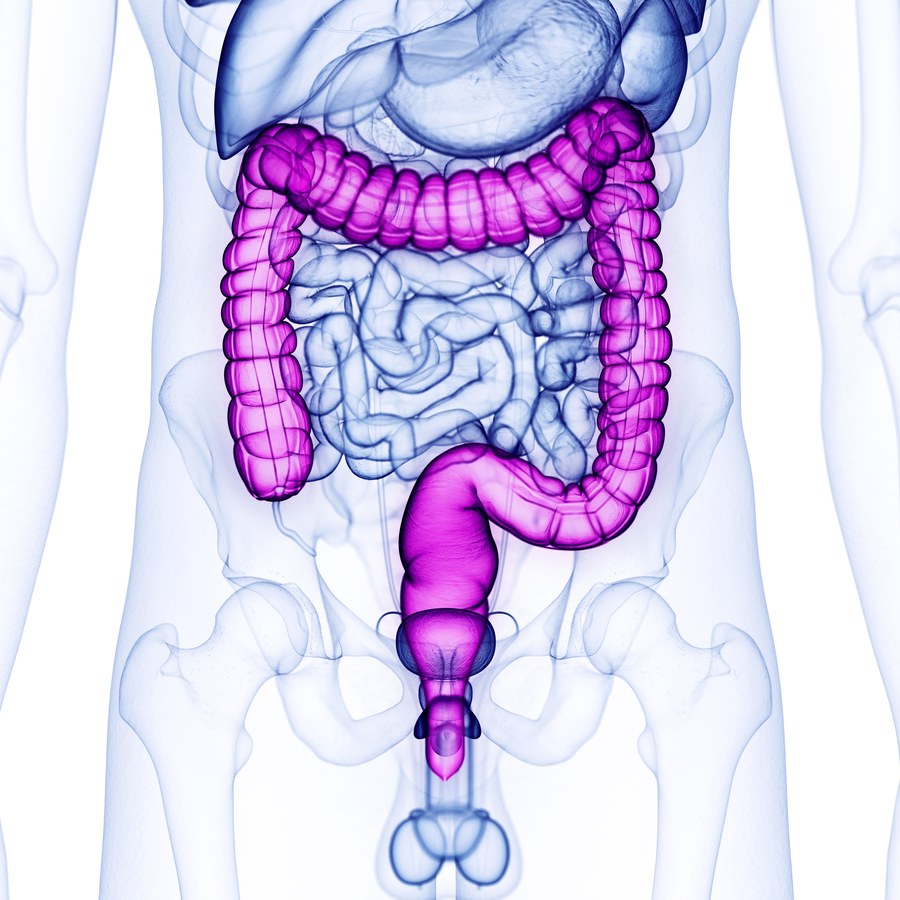
This article is educational and does not replace your doctor's advice. Seek urgent care for any red-flag symptoms.
What is it?
UC is one of the two main forms of inflammatory bowel disease (IBD). Inflammation starts in the rectum and extends continuously up the colon — sometimes only the rectum (proctitis), sometimes the whole colon (pancolitis). The inflammation is limited to the inner lining (mucosa) — unlike Crohn's which is deeper.
How common is it?
Saudi prevalence ~25 per 100,000 and rising rapidly. The Saudi National IBD Registry shows a steep increase over the last 15 years. Onset usually 15-30 years old, with a second peak in 50s-60s.
Why does it happen?
Genetic predisposition + environmental triggers + abnormal immune response to gut bacteria. Risk factors: family history, urban living, certain dietary patterns, antibiotic use in childhood. Interestingly, smoking PROTECTS against UC (don't start though — it causes many other problems).
Symptoms
- Diarrhea with visible blood and mucus
- Urgency — feeling you must go RIGHT NOW
- Tenesmus — sensation of needing to go even after going
- Lower abdominal cramping
- Frequent bowel movements (often >6 per day in flare)
- Fatigue
- Weight loss in severe flares
- Joint pain, eye inflammation, skin rashes (extra-intestinal)
Red flags — seek urgent medical care
More than 6 bloody bowel movements per day with fever or fast pulse
Severe colitis — needs hospitalization.
Severe abdominal pain with distension
Possible toxic megacolon — emergency.
Heavy bleeding
Need transfusion assessment.
How is it diagnosed?
Colonoscopy with biopsies is the gold standard. Stool tests (calprotectin to assess inflammation, cultures to rule out infection). Blood tests (CRP, CBC). Flexible sigmoidoscopy during severe flares (safer than full colonoscopy).
What the latest science says
Many new biologics and small molecules in the past 5 years: vedolizumab, ustekinumab, risankizumab, mirikizumab, tofacitinib, upadacitinib, ozanimod. Treat-to-target with mucosal healing as the goal is now standard. Calprotectin monitoring guides therapy adjustments.
Outlook — what to expect
With modern treatment, most patients achieve remission and a normal life. About 20% need surgery (colectomy) at some point. UC limited to the rectum has the best prognosis. Cancer risk increases after 8-10 years of disease — surveillance colonoscopy is essential.
Treatment
Habits & Lifestyle
Daily habits prevent flares.
- Take medications EXACTLY as prescribed — even when feeling well. Stopping causes flares.
- Get vaccinations BEFORE biologics (flu, pneumococcal, hepatitis B, varicella, shingles if eligible).
- Manage stress — flares often follow stressors.
- Avoid NSAIDs (ibuprofen, diclofenac) — can trigger flares.
- Quit smoking ONLY if you smoke (interestingly, smoking cessation can trigger UC — discuss with your doctor).
- Surveillance colonoscopy every 1-2 years if disease >8 years.
Diet
No specific "UC diet," but eating wisely helps.
- During flares: low-residue diet (white rice, peeled potatoes, eggs, fish, lean meats).
- In remission: Mediterranean diet has best evidence.
- Avoid: emulsifiers, ultra-processed food, excess red meat.
- If lactose intolerant: switch to lactose-free dairy.
- Iron, vitamin D, B12 commonly low — monitor yearly.
Medications
Treatment is matched to severity and location.
- 5-ASA (mesalamine) oral and/or rectal — first-line for mild-to-moderate UC.
- Steroids (prednisone, budesonide) for flares — short-term ONLY.
- Immunomodulators (azathioprine) for steroid-dependent disease.
- Biologics: anti-TNF (infliximab, adalimumab), vedolizumab (gut-selective), ustekinumab, risankizumab, mirikizumab.
- Small molecules (oral): tofacitinib, upadacitinib (JAK inhibitors), ozanimod (S1P modulator).
Procedures & Surgery
Procedures range from surveillance to curative surgery.
- Surveillance colonoscopy every 1-2 years after 8 years of disease.
- Colectomy with ileal pouch (J-pouch) — curative for UC; reserved for medical failure or dysplasia.
- Emergency colectomy for toxic megacolon, perforation, or uncontrolled bleeding.
In the Saudi context
Saudi tertiary IBD centers offer all biologics and small molecules. Insurance covers most. The Saudi IBD Society provides patient resources. Many Saudi UC patients are diagnosed in their teens or twenties — early aggressive treatment improves long-term outcomes.
Questions to ask your doctor
Save this list or print it before your appointment — doctors appreciate prepared patients.
- How extensive is my UC — proctitis, left-sided, or pancolitis?
- What is my disease severity — am I on the right level of treatment?
- When is my next surveillance colonoscopy?
- Should I be on a biologic or small molecule?
Medically reviewed by: SGA Patient Education Panel · Last reviewed 24/04/2026