
Peptic Ulcer Disease
Open sores in the lining of the stomach or upper small intestine — usually caused by H. pylori or pain medications (NSAIDs). Most heal completely with treatment.
This article is educational and does not replace your doctor's advice. Seek urgent care for any red-flag symptoms.
What is it?
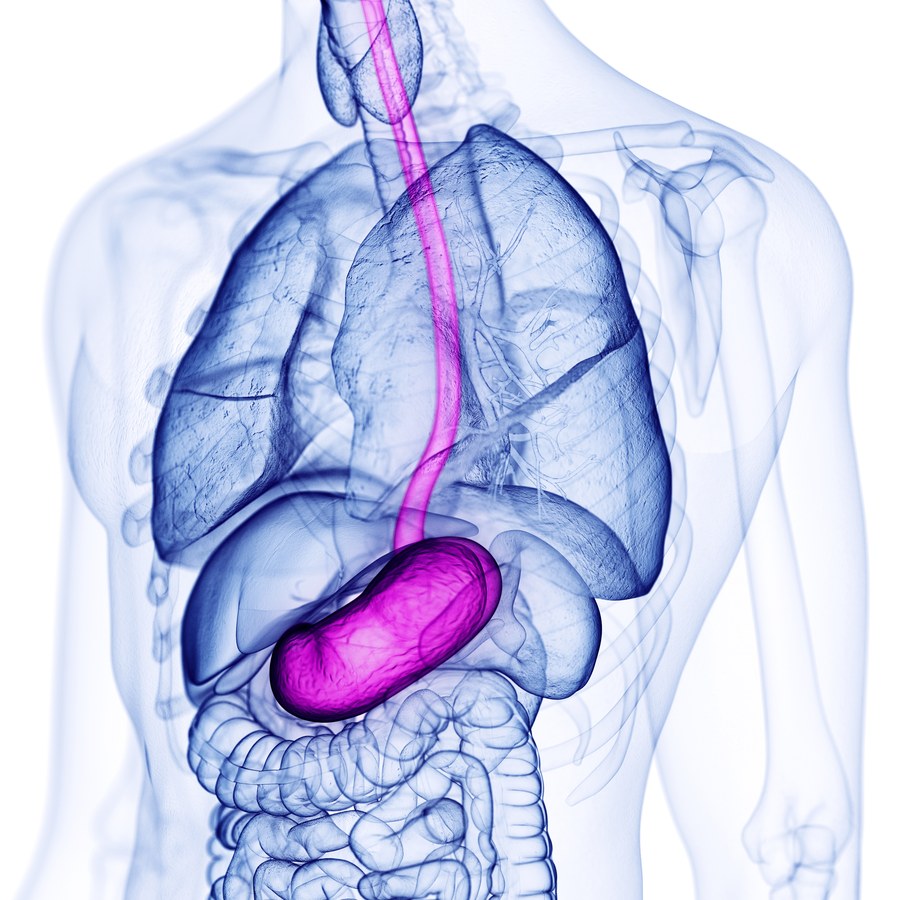
A peptic ulcer is a break in the lining of the stomach (gastric ulcer) or the duodenum (the first part of the small intestine — duodenal ulcer). The "peptic" part refers to peptic acid that erodes the protective layer.
Ulcers were once thought to be caused by stress and spicy food. We now know that nearly all peptic ulcers come from either H. pylori infection or NSAID/aspirin use.
How common is it?
About 5-10% of adults will have a peptic ulcer at some point. Duodenal ulcers are more common than gastric ulcers. In Saudi Arabia, NSAID-induced ulcers are rising as more people use over-the-counter painkillers.
Why does it happen?
The stomach's protective mucous layer breaks down. Two main culprits: (1) H. pylori bacteria damage the lining; (2) NSAIDs (ibuprofen, diclofenac, naproxen, aspirin) reduce the lining's natural defenses. Smoking, alcohol, and severe physical stress (ICU, burns) increase risk.
Symptoms
- Burning or gnawing pain in the upper middle abdomen
- Pain that wakes you at night or comes between meals (typical of duodenal ulcer)
- Pain made worse by eating (typical of gastric ulcer)
- Bloating, belching, fullness
- Nausea, sometimes vomiting
- Some ulcers are completely silent — found only after they bleed
Red flags — seek urgent medical care
Vomiting blood or coffee-ground material
Bleeding ulcer — emergency department NOW.
Black, tarry stools (melena)
Upper GI bleeding — emergency.
Sudden severe pain in the stomach, often described as "the worst pain of my life"
Perforated ulcer — emergency surgery may be needed. Go to ED.
Persistent vomiting that prevents eating
Possible gastric outlet obstruction.
Dizziness, fainting, fast heart rate with stomach symptoms
Could indicate significant bleeding.
How is it diagnosed?
Upper endoscopy is the gold standard — directly visualizes ulcers, allows biopsies (to test for H. pylori and to rule out cancer), and treats bleeding ulcers in the same session.
All patients with ulcers need testing for H. pylori (urea breath test, stool antigen, or biopsy). Gastric ulcers always need biopsy and follow-up endoscopy in 8–12 weeks to confirm healing and rule out cancer.
Outlook — what to expect
With H. pylori eradication AND PPI therapy, recurrence drops from 60% per year to under 5%. NSAID-induced ulcers heal with PPI and stopping the NSAID. Bleeding and perforation are now both managed endoscopically in most cases.
Treatment
Habits & Lifestyle
Habit changes prevent recurrence.
- Stop smoking — slows healing and increases recurrence.
- Avoid alcohol entirely while ulcer is healing.
- Stop NSAIDs/aspirin if possible. If you must take them, your doctor will add a daily PPI.
- Manage stress — while not a direct cause, stress slows healing.
Diet
No special "ulcer diet" — eat what feels good. Forget the bland-food myth.
- Eat regular meals — don't skip meals.
- Avoid foods that personally trigger your symptoms (varies by person).
- Limit caffeine and alcohol while ulcer is healing.
Medications
PPIs are the cornerstone of treatment. If H. pylori positive, antibiotics are added.
- PPI (omeprazole, pantoprazole, or esomeprazole) once daily for 4–8 weeks (duodenal) or 8–12 weeks (gastric).
- If H. pylori positive: add a 14-day eradication regimen — see H. pylori article.
- If you must continue NSAIDs/aspirin: lifelong PPI cover.
- After healing, taper PPI if possible — many can stop after H. pylori eradication.
Procedures & Surgery
Endoscopy treats most complications without surgery.
- Endoscopic hemostasis for bleeding ulcers — clips, injection, cautery.
- Repeat endoscopy at 8–12 weeks for gastric ulcers to confirm healing.
- Surgery is rare now — reserved for perforation, refractory bleeding, or obstruction.
Questions to ask your doctor
Save this list or print it before your appointment — doctors appreciate prepared patients.
- Was my ulcer caused by H. pylori or NSAIDs?
- Do I need a follow-up endoscopy?
- Can I ever take ibuprofen or aspirin again?
- How long should I stay on PPI?
Medically reviewed by: SGA Patient Education Panel · Last reviewed 24/04/2026