
Pancreatic Cysts
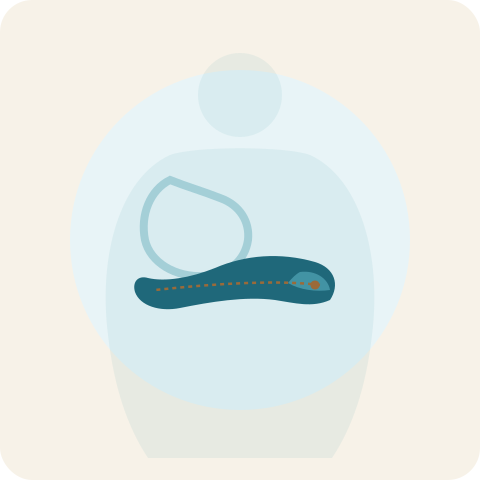
Fluid-filled sacs in the pancreas, usually found by chance on scans done for other reasons. Most are benign; some need surveillance or surgery based on type.
Category
Common
Red flags
2
This article is educational and does not replace your doctor's advice. Seek urgent care for any red-flag symptoms.
What is it?
Pancreatic cysts come in many types. The most common are: serous cystadenoma (benign), mucinous cystic neoplasm (potential to become cancer), intraductal papillary mucinous neoplasm (IPMN — also potential), pseudocyst (after pancreatitis), and solid pseudopapillary neoplasm. The challenge is sorting which need treatment vs surveillance.
How common is it?
Found in 2-15% of all abdominal scans, increasing with age. The era of widespread CT and MRI has revealed many incidental cysts.
Why does it happen?
Most have no clear cause and form over time. IPMN is more common in older adults, smokers. Pseudocysts form after acute pancreatitis. Genetic syndromes (von Hippel-Lindau, Peutz-Jeghers) are rare causes.
Symptoms
- Most are completely silent — discovered incidentally
- Large cysts may cause vague abdominal pain or fullness
- Jaundice if cyst compresses bile duct
- Pancreatitis from cyst-related ductal obstruction
Red flags — seek urgent medical care
Worrisome cyst features on imaging: large size, solid component, dilated main duct, growth on follow-up
Higher cancer risk — needs EUS evaluation or surgery.
New jaundice in a patient with known pancreatic cyst
Investigate for malignant transformation.
How is it diagnosed?
MRI/MRCP is the best test for cyst characterization. EUS with fine-needle aspiration can sample fluid for cytology, CEA, glucose, KRAS/GNAS mutations to differentiate cyst types. Detailed risk-stratification by Fukuoka or AGA criteria.
Outlook — what to expect
Excellent for benign cysts (serous cystadenoma, pseudocyst). IPMN and mucinous cysts have variable cancer risk depending on features — most can be safely monitored. Surgery for high-risk cysts has good outcomes when done early.
Treatment
Habits & Lifestyle
Mostly observation; address risk factors.
- Stop smoking — increases pancreatic cancer risk especially with IPMN.
- Limit alcohol.
- Healthy weight, exercise.
- Strict adherence to surveillance schedule.
Diet
No specific diet for cysts.
- Mediterranean diet.
Medications
No medications treat pancreatic cysts.
- Treat underlying conditions; manage symptoms if any.
Procedures & Surgery
Surveillance for most; surgery for selected.
- MRI/MRCP every 6 months to 2 years depending on cyst size and features.
- EUS with fine-needle aspiration when characterization needed.
- Surgery (distal pancreatectomy or Whipple) for high-risk cysts.
Questions to ask your doctor
Save this list or print it before your appointment — doctors appreciate prepared patients.
- What type of cyst do I have, and what's my risk?
- How often will I need surveillance imaging?
- Should I have an EUS to evaluate the cyst?
- Does my cyst need surgery?
Medically reviewed by: SGA Patient Education Panel · Last reviewed 24/04/2026