

saudigastro.com/patients/lower-gi-bleeding
Category
Serious
Red flags
5
This article is educational and does not replace your doctor's advice. Seek urgent care for any red-flag symptoms.
What is it?
Lower gastrointestinal (GI) bleeding means bleeding from the lower part of the digestive tract: the colon, rectum or anus (and sometimes the lower small bowel). It can show up as bright red blood on the toilet paper or in the toilet, maroon or dark red stool, or, less often, black stool. It can be mild, such as a small amount of blood from haemorrhoids, or severe enough to make you feel faint. Because serious causes can look the same as minor ones, bleeding should never be ignored or assumed to be harmless.
How common is it?
It is a common reason for seeking medical care and for hospital admission, especially in older adults. Most episodes stop on their own, but the cause still needs to be identified.
Why does it happen?
Common causes include haemorrhoids (swollen veins around the anus) and anal fissures (small tears), diverticular disease (small pouches in the colon wall that can bleed), colitis from inflammatory bowel disease, infection or reduced blood flow, polyps and bowel cancer, and small fragile blood vessels in the bowel wall (angiodysplasia). Blood thinners and anti-inflammatory painkillers can make bleeding more likely or heavier. Sometimes bleeding from higher up in the digestive tract can appear as dark or maroon stool.
Symptoms
- Bright red blood on toilet paper, in the toilet bowl or coating the stool
- Maroon or dark red blood mixed in the stool
- Black, sticky, foul-smelling stool
- Belly cramps or pain
- Pain or itching around the anus
- Feeling weak, pale, light-headed or breathless if a lot of blood is lost
Red flags — seek urgent medical care
Heavy bleeding, passing large clots, or bleeding that does not stop
This is an emergency. Call emergency services or go to the emergency department now. Do not drive yourself if you feel faint.
Dizziness, fainting, a fast heartbeat, pale or cold clammy skin, or confusion
Signs that you may have lost a significant amount of blood. Call emergency services immediately and lie down until help arrives.
Bleeding together with severe belly pain, fever or a swollen belly
May point to serious inflammation, infection or other complications. Seek emergency care.
Vomiting blood or material like coffee grounds, or black tarry stools
Suggests bleeding higher up in the digestive tract. Go to the emergency department now.
Repeated small bleeds, weight loss, a change in bowel habit or tiredness from anaemia
Not an emergency by itself, but see a doctor soon, because it can be a sign of polyps, cancer or inflammation.
How is it diagnosed?
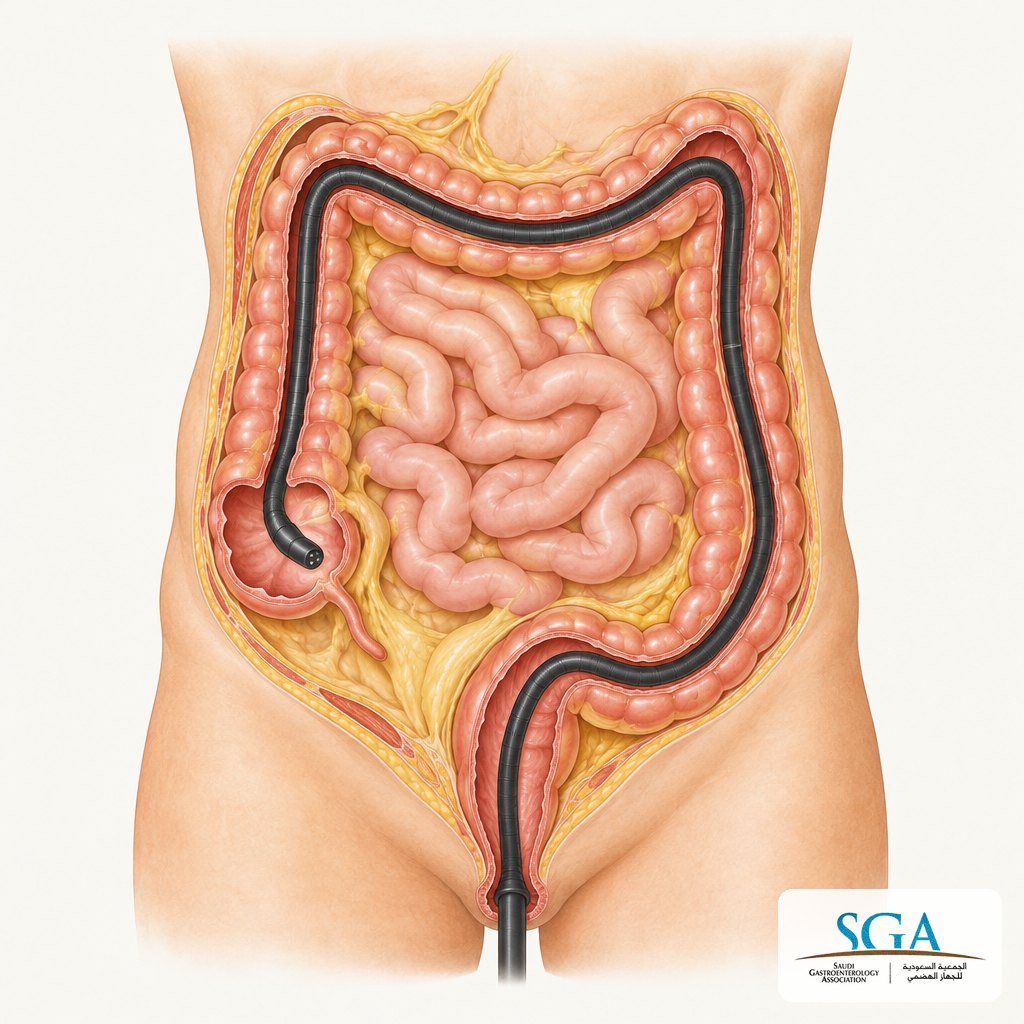
The team first checks your pulse, blood pressure and blood count to see how much blood you have lost and starts treatment if needed. They will ask about medicines (especially blood thinners), previous bowel problems and your family history, and will examine the anus and rectum. Colonoscopy is the main test to find the source and treat it. If bleeding is heavy, a CT scan with contrast dye or other tests may be used to locate it. Sometimes an upper endoscopy is done first to rule out bleeding from the stomach. Your doctor decides the order of tests.
What the latest science says
Many bleeds stop on their own, and doctors now use risk scores to decide who can safely be assessed as an outpatient and who needs admission. For bleeding that continues, treatments through the scope (clips, heat or injection) or by blocking the bleeding vessel with a catheter are effective, and surgery is now seldom required. Guidance on when to stop and restart blood thinners is individualised.
Outlook — what to expect
The outlook depends on the cause and how much blood was lost. Bleeding from haemorrhoids or a small fissure usually settles with simple care. Diverticular and angiodysplasia bleeding often stops on its own, though it can recur. When cancer or polyps are the cause, finding them early gives the best chance of effective treatment.
Treatment
Habits & Lifestyle
Heavy bleeding needs emergency care, not home treatment. For minor bleeding that a doctor has already assessed, these steps help.
- Seek urgent care for heavy bleeding, dizziness or fainting; do not wait to see if it stops
- Do not ignore small amounts of blood; arrange a medical assessment
- Avoid straining on the toilet and do not sit for long periods on the toilet
- Do not stop or start blood thinners or aspirin on your own; ask your doctor
- Avoid anti-inflammatory painkillers unless your doctor has approved them
Diet
Diet does not treat active heavy bleeding, but it helps prevent some causes of minor bleeding.
- Do not eat or drink if you are heading to hospital with heavy bleeding, in case a procedure is needed
- Eat enough fibre (vegetables, fruit, whole grains) and drink enough fluid to keep stools soft
- Foods rich in iron can help rebuild blood after bleeding, but your doctor will advise on iron treatment
- Be aware that some foods and iron tablets can darken stools without any bleeding; if unsure, ask a doctor
Medications
Treatment depends on the cause and severity, and is chosen by your doctor.
- In hospital, intravenous fluids and sometimes blood transfusion replace lost volume
- Iron treatment, by mouth or by drip, is used to correct anaemia after blood loss
- Blood thinners may be paused or adjusted by the medical team; follow their instructions
- Treatments for haemorrhoids or fissures (creams, stool softeners) are used for minor causes after assessment
- Treatment of underlying inflammatory bowel disease or infection if that is the cause
Procedures & Surgery
Procedures find the source of bleeding and stop it.
- Colonoscopy to find the bleeding site and treat it with clips, heat or injection
- Removal of polyps found during colonoscopy
- Angiography with embolisation (blocking the bleeding vessel through a catheter) for severe bleeding that cannot be controlled through the scope
- Banding or other treatments for haemorrhoids, or surgery for persistent haemorrhoids or fissures
- Surgery is rarely needed, mostly when bleeding cannot be controlled
Living with the condition
- After an episode of bleeding, follow the plan for finding the cause, even if it has stopped.
- Keep a list of your medicines, particularly blood thinners, to show any doctor who treats you.
Questions to ask your doctor
Save this list or print it before your appointment — doctors appreciate prepared patients.
- What caused my bleeding, and do I need a colonoscopy?
- Do I have anaemia, and do I need iron treatment?
- Should I change or pause my blood thinners or other medicines?
- Could this happen again, and how can I lower the chance?
- Which symptoms mean I should come straight to the emergency department?
Was this guide helpful?
Status: Approved for publication by SGA; individual clinician review is ongoing · Published 24/04/2026
For general education only; it does not replace your doctor’s advice. Individual clinician review of this guide is ongoing. SGA clinician? Review this guide