

saudigastro.com/patients/low-fodmap-diet
Category
Common
Red flags
5
This article is educational and does not replace your doctor's advice. Seek urgent care for any red-flag symptoms.
What is it?
FODMAPs are a group of short-chain carbohydrates (sugars and fibres) that some people absorb poorly in the small intestine. The name stands for Fermentable Oligosaccharides, Disaccharides, Monosaccharides And Polyols. They draw water into the bowel and are fermented by gut bacteria, which makes gas, so they can cause bloating, pain and changes in bowel habit in sensitive people. The low-FODMAP diet is not a lifelong diet or a cure. It is a structured way to find which foods trigger your symptoms: first you reduce high-FODMAP foods for a short time, then you reintroduce them group by group, and finally you build a personal long-term diet that is as varied as possible.
How common is it?
Irritable bowel syndrome is a very common reason for seeing a doctor about digestive symptoms, and the low-FODMAP diet is one of the best-studied dietary treatments for it. Many, but not all, people improve. The diet is not suitable for everyone, including children without specialist advice and people with a history of an eating disorder.
Why does it happen?
In irritable bowel syndrome the gut is more sensitive and reacts more strongly to normal gas and stretching. Poorly absorbed FODMAPs increase water and gas in the bowel and so can trigger symptoms. Other things also influence symptoms, such as stress, sleep, the gut bacteria and gut movement, so food is only part of the picture. Before starting the diet, other conditions with similar symptoms (for example coeliac disease or inflammatory bowel disease) should be considered by your doctor.
Symptoms
- Bloating and a swollen belly, especially later in the day
- Excess gas and rumbling
- Crampy abdominal pain that eases after passing stool or wind
- Diarrhoea, constipation, or alternating between the two
- Urgency or a feeling of incomplete emptying
- Symptoms that come and go with certain foods or stress
Red flags — seek urgent medical care
Blood in the stool or black stools
Not a feature of irritable bowel syndrome. See a doctor promptly; go to the emergency room if bleeding is heavy or you feel faint.
Unintentional weight loss
Needs investigation before any diet is started. Do not use the diet to explain weight loss.
Waking at night with diarrhoea or pain, or a fever
Suggests inflammation or another disease. See a doctor soon.
Persistent vomiting, difficulty swallowing, or severe constant abdominal pain
May be a blockage or other serious problem. Go to the emergency room.
New symptoms over the age of 50, or a family history of bowel cancer or coeliac disease
Tests are needed before assuming it is irritable bowel syndrome.
How is it diagnosed?
Irritable bowel syndrome is diagnosed from the typical pattern of symptoms after a doctor has excluded other conditions, often with blood tests (including a coeliac test), a stool test for inflammation, and sometimes a colonoscopy depending on age and warning signs. There is no single test for FODMAP sensitivity. A dietitian reviews your food diary and symptoms to decide whether the diet is suitable, and the reintroduction phase itself acts as the test of which food groups you react to.
What the latest science says
Studies show that a supervised low-FODMAP diet improves symptoms in a good share of people with irritable bowel syndrome, and guidelines include it as an option when first-line advice has not been enough. Research also shows that very long restriction can reduce the variety of gut bacteria and fibre intake, which is why reintroduction and a personalised diet are essential. Some people respond just as well to simpler, less restrictive advice, so a stepwise approach is recommended.
Outlook — what to expect
Many people feel better within a few weeks of the elimination step and keep a good symptom control after reintroduction by avoiding only their personal triggers. Symptoms may still fluctuate over time. If the diet does not help after the trial period, return to your dietitian or doctor rather than staying on a restrictive plan.
Treatment
Habits & Lifestyle
Daily habits matter as much as the foods themselves. These habits support the diet and general gut health.
- Work with a registered dietitian; do not stay on the strict phase for longer than advised (usually only a few weeks).
- Keep a food and symptom diary so triggers are clear.
- Eat regular meals, chew slowly and avoid very large portions.
- Regular exercise, good sleep and stress management (relaxation, talking therapies) help irritable bowel symptoms.
- Do not use the diet if you have had an eating disorder, or if you are underweight, pregnant or a child, without specialist advice.
Diet
The diet has three steps. Food lists differ between sources, so use a dietitian or a trusted app that is regularly updated rather than lists from random websites.
- Step 1 (elimination, about 2 to 6 weeks): swap high-FODMAP foods such as onion, garlic, wheat in large amounts, some fruits (apples, pears, mango, watermelon), legumes, cow milk and soft cheeses with lactose, and sweeteners ending in "-ol" for lower-FODMAP options.
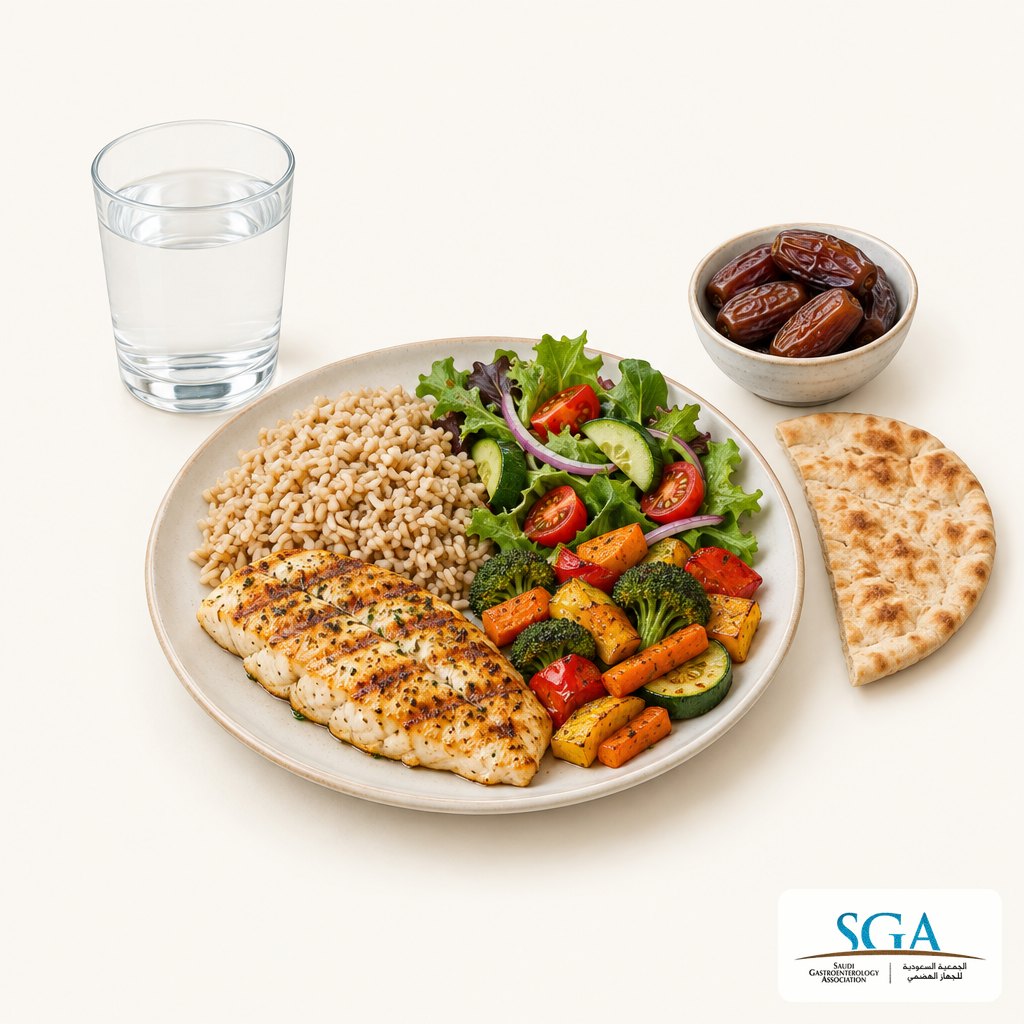
- Lower-FODMAP choices often include rice, oats, potatoes, carrots, courgette (zucchini), cucumber, tomatoes, eggs, fish, chicken, meat, firm cheeses, lactose-free dairy, bananas (firm), oranges and strawberries, in suitable portions.
- Step 2 (reintroduction, about 6 to 8 weeks): test one FODMAP group at a time, in increasing amounts, and note the symptoms.
- Step 3 (personalisation): bring back every food you tolerate and limit only the ones that clearly trigger you.
- Keep enough fibre, calcium and variety; ask about replacing wheat, dairy or legumes with suitable alternatives.
Medications
Diet is only one part of treating irritable bowel syndrome. Medicines can be used for specific symptoms; your doctor chooses them and the dose.
- Antispasmodic medicines can ease cramping pain.
- Medicines for diarrhoea or for constipation may be recommended depending on your main symptom.
- Low doses of certain antidepressants are sometimes used for pain in irritable bowel syndrome; they are used here for their effect on gut nerves, not for depression.
- Enzyme or probiotic products have mixed evidence; ask your doctor or dietitian before buying them.
Procedures & Surgery
The diet itself does not need a procedure. Tests are only used to exclude other diseases.
- Colonoscopy may be advised if you are older, have warning signs, or abnormal stool or blood tests.
- Breath tests for lactose or other sugars or for bacterial overgrowth are used in selected cases.
- Psychological therapies such as gut-directed hypnotherapy or cognitive behavioural therapy can be effective for some people.
Living with the condition
- The aim is the widest possible diet with the fewest symptoms, not the strictest diet.
- Eating out and family meals are easier once you know your own triggers and portion sizes.
- Return to your doctor if symptoms change, you lose weight, or you feel anxious around food.
In the Saudi context
Common local ingredients such as onion, garlic, legumes (foul, lentils, chickpeas) and wheat breads are high in FODMAPs, while rice, eggs, chicken, fish and many vegetables are well tolerated. During Ramadan, discuss timing of meals with your dietitian to avoid large, rich iftar meals that can trigger symptoms.
Questions to ask your doctor
Save this list or print it before your appointment — doctors appreciate prepared patients.
- Is the low-FODMAP diet suitable for me, and have other conditions been excluded?
- Can you refer me to a dietitian who knows this diet?
- How long should I stay on the strict phase?
- How do I make sure I still get enough fibre and calcium?
- What should I try if the diet does not help?
Was this guide helpful?
Status: Approved for publication by SGA; individual clinician review is ongoing · Published 24/04/2026
For general education only; it does not replace your doctor’s advice. Individual clinician review of this guide is ongoing. SGA clinician? Review this guide