

saudigastro.com/patients/living-liver-donation
Category
Serious
Red flags
5
This article is educational and does not replace your doctor's advice. Seek urgent care for any red-flag symptoms.
What is it?
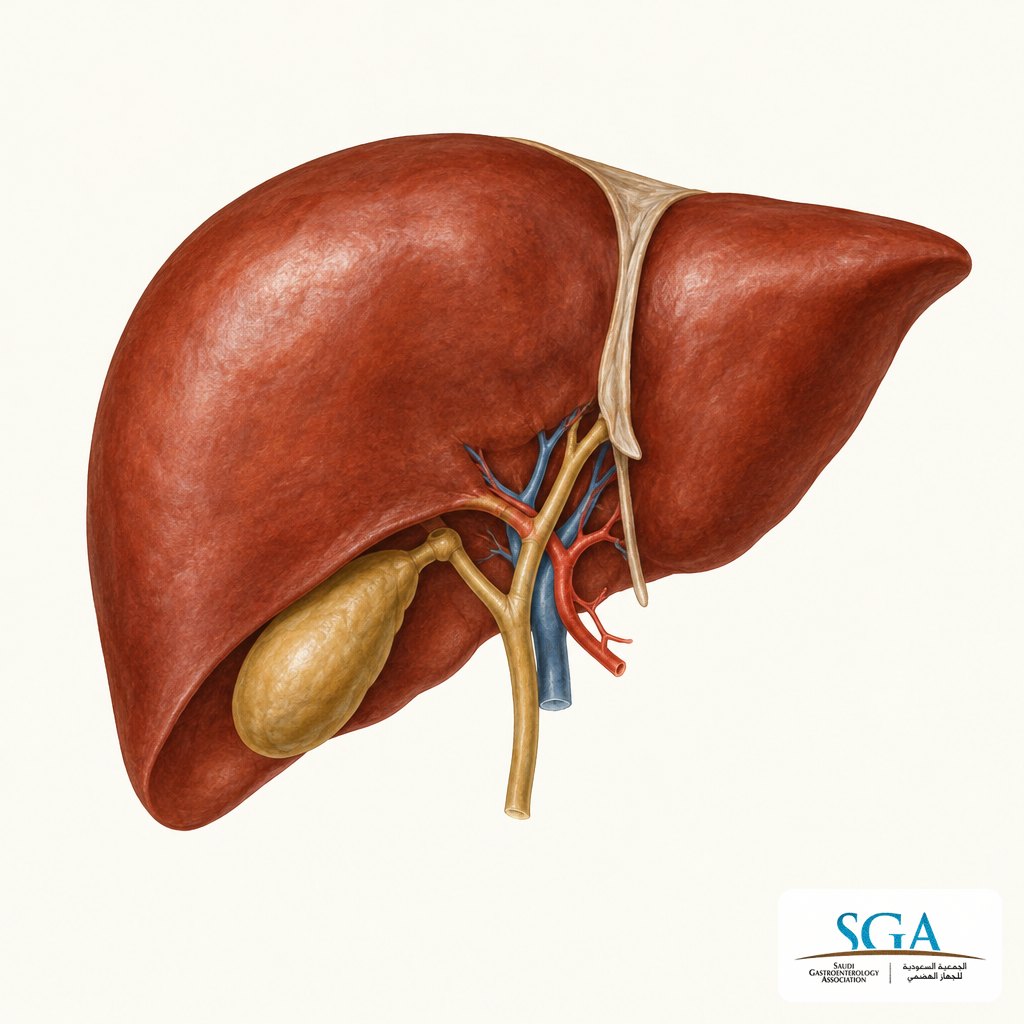
In living donor liver transplantation, a healthy person gives part of their liver to someone with liver failure. The liver is unique because it can regrow: after part is removed, the remaining part of the donor's liver enlarges, and the piece given to the recipient also grows in its new body, over weeks to months. Living donation is a generous act, but it is major surgery on a healthy person, so the donor's safety always comes first. Donation must be completely voluntary.
How common is it?
Living donation is an important option where deceased donor livers are limited. It is done in specialised transplant centres. Not everyone who offers to donate is suitable, and many potential donors are found unsuitable or decide not to proceed. That is a normal part of the process.
Why does it happen?
A person may need a living donor when their liver disease is advanced and waiting for a deceased donor liver would be too long or risky. A donor may be a relative, spouse or friend. Basic requirements are that the donor is an adult, in good general health, with a compatible blood group and a suitable liver size and anatomy, who understands the risks and agrees freely. People with significant illness, severe obesity, active infection, certain liver conditions, or who are pressured to donate are not suitable.
Symptoms
- Donors do not have symptoms before donation because they are healthy
- After surgery: pain at the wound, tiredness and reduced appetite for several weeks
- Bloating or nausea and shoulder-tip pain after keyhole or open surgery
- Temporary changes in liver blood tests, which are expected as the liver regrows
- Emotional reactions such as worry, low mood or stress about the recipient's outcome
Red flags — seek urgent medical care
Fever, chills, or a wound that is red, swollen or leaking
Possible infection. Contact the transplant team or go to the emergency department.
Severe or worsening belly pain, or a hard swollen belly
Could be bleeding or a bile leak. Seek emergency care immediately.
Yellow skin or eyes, dark urine or pale stool
Possible bile duct or liver problem. Contact the team urgently.
Chest pain, shortness of breath, or pain and swelling in one leg
Possible blood clot. Call emergency services or go to the emergency department now.
Persistent vomiting, dizziness or fainting
Possible bleeding or dehydration. Seek urgent care.
How is it diagnosed?
Potential donors go through a careful, staged assessment that is separate from the recipient's care, with the aim of protecting the donor. It includes blood tests (blood group, liver, kidney, infections), imaging (CT or MRI) to measure the liver and map its blood vessels and bile ducts, heart and lung tests, screening for other diseases, and a review with a psychologist or social worker to make sure the decision is free and informed. An independent team advocates for the donor. A donor can say no or change their mind at any time without needing to give a reason, and the team will protect their privacy.
What the latest science says
Programmes continue to improve donor safety with careful selection, imaging and, in some centres, minimally invasive surgery. Even so, living donation always carries a real risk for the donor, including rare serious complications, and the exact risk depends on the type of operation and the centre. Ask the team for current figures from their own programme rather than relying on general numbers.
Outlook — what to expect
Most donors recover well and return to normal activities after a period of recovery, usually many weeks. The liver regrows, and long-term follow-up checks health. Some donors have lingering tiredness, pain or emotional effects, and complications can occur. Being well informed and supported before and after donation helps.
Treatment
Habits & Lifestyle
Preparing physically and emotionally helps recovery. Your own safety is the priority.
- Take your time with the decision; you may withdraw at any stage.
- Stop smoking and avoid alcohol before and after surgery.
- Reach and keep a healthy weight as advised by the team.
- Plan time off work, help at home and transport for the recovery period.
- Avoid heavy lifting and strenuous exercise until the surgeon says it is safe.
- Attend all follow-up visits, including long-term check-ups.
Diet
A balanced diet helps healing and liver regrowth. A dietitian can advise you.
- Eat enough protein and calories as you recover; small frequent meals help while appetite is low.
- Eat plenty of vegetables, fruit and whole grains; drink enough fluids.
- Avoid alcohol, and do not take herbal or "liver" supplements unless the team approves.
- Follow food safety rules while recovering, particularly with raw or undercooked foods.
Medications
Donors do not need anti-rejection medicines. After surgery, medicines are used for pain, nausea and prevention of clots or infection as decided by the team.
- Take pain medicine as advised and ask which ones are safe for the liver; avoid extra over-the-counter painkillers unless the team agrees.
- Medicines to reduce clot risk may be given in hospital and sometimes afterwards.
- Tell the team about all medicines and supplements you take before donation, since some must be stopped.
- Report any new medicine side effects or symptoms early.
Procedures & Surgery
Donation is performed under general anaesthesia by an experienced liver surgery team. The recipient's operation takes place at the same time in a nearby theatre.
- The surgeon removes a part of the donor's liver (the right lobe, the left lobe or a smaller section depending on the recipient's needs).
- Hospital stay is usually several days, with recovery at home over weeks; full return to normal activity often takes a few months.
- Risks include bleeding, infection, bile leak or narrowing, blood clots, problems with anaesthesia, wound problems and, rarely, liver failure or death; your team will discuss them honestly.
- Some people have a visible scar and some have long-term pain or numbness near it.
Living with the condition
- Ask about long-term follow-up for donors and which health problems to watch for.
- Counselling and peer support can help with feelings before and after donation, including if the recipient has problems.
- Avoid financial or family pressure; donation should never be paid for or forced.
In the Saudi context
Living donation is usually from close relatives. Family expectations can create pressure, so it is important that the decision is truly your own. The transplant centre will explain the legal and ethical requirements and offer private discussions with the donor team.
Questions to ask your doctor
Save this list or print it before your appointment — doctors appreciate prepared patients.
- What are the exact risks for me as a donor at this centre?
- How much of my liver will be removed, and will it regrow?
- How long will recovery take, and when can I return to work?
- Who will look after me independently of the recipient's team?
- What follow-up will I need, and can I change my mind?
Was this guide helpful?
Status: Approved for publication by SGA; individual clinician review is ongoing · Published 24/04/2026
For general education only; it does not replace your doctor’s advice. Individual clinician review of this guide is ongoing. SGA clinician? Review this guide