
Lactose Intolerance
Difficulty digesting milk sugar. Very common in adults of Middle Eastern descent — about 70%. Easily managed with diet adjustments and lactase enzyme supplements.
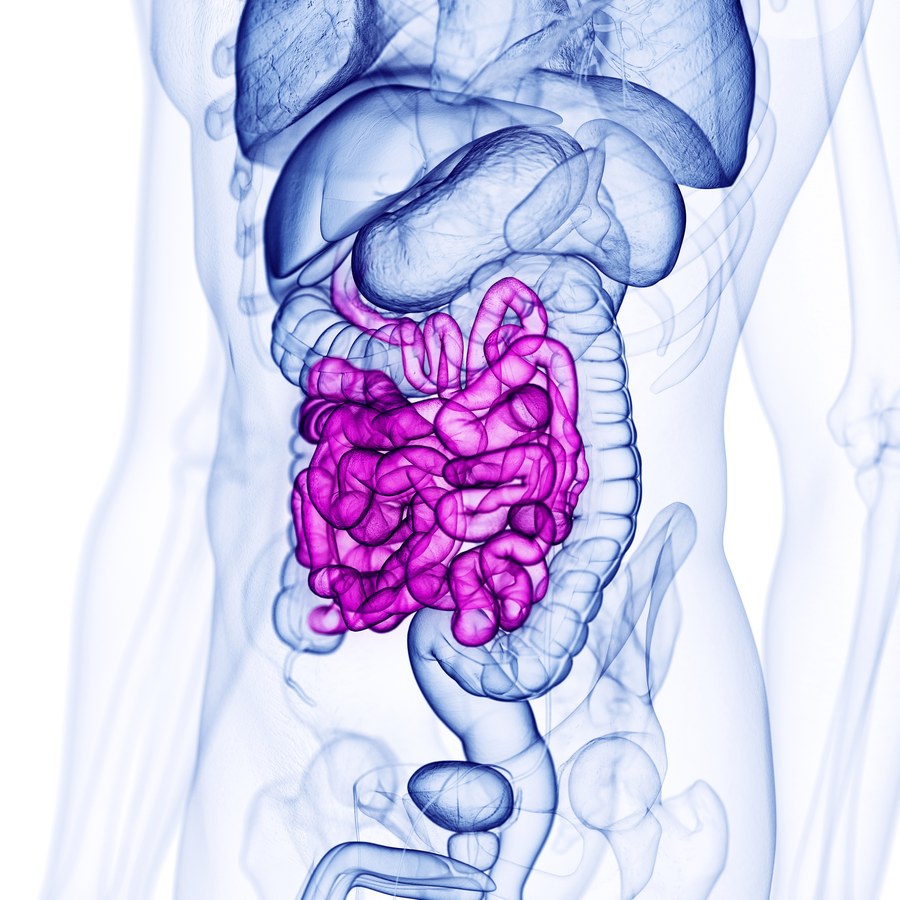
This article is educational and does not replace your doctor's advice. Seek urgent care for any red-flag symptoms.
What is it?
Lactose is the natural sugar in milk. It needs an enzyme called lactase (made by the small intestine) to be digested. Most adults worldwide gradually lose lactase production after childhood — this is normal evolution, not a disease. The undigested lactose passes to the colon where bacteria ferment it, producing gas and pulling water in.
How common is it?
About 70% of adults of Middle Eastern, African, Asian, or Native American descent have lactose intolerance. Northern Europeans usually keep lactase activity into adulthood (about 10-20% are intolerant).
Why does it happen?
Genetic — the gene that keeps lactase active in adulthood is rare in most ethnicities. Less commonly, lactase production drops after gut damage (gastroenteritis, celiac, Crohn's) — this can be temporary.
Symptoms
- Bloating, cramping 30 minutes to 2 hours after dairy
- Diarrhea, sometimes urgent
- Excessive gas, flatulence
- Nausea
- Severity depends on the AMOUNT of lactose — most people can tolerate small amounts
Red flags — seek urgent medical care
Severe diarrhea with weight loss
Could be celiac, IBD, or another cause — investigate.
Sudden new lactose intolerance in adulthood
Look for triggering condition (gastroenteritis, celiac).
How is it diagnosed?
Often clinical — symptoms with dairy, no symptoms without. Hydrogen breath test with lactose confirms it. A 2-week dairy-free trial is a simple test at home. Genetic test for lactase persistence is available.
Outlook — what to expect
Easily managed for life. No long-term health risks if calcium and vitamin D intake is maintained. Most patients find their personal lactose tolerance threshold within weeks.
Treatment
Habits & Lifestyle
Find your personal threshold — most people can tolerate some dairy.
- Try dairy with meals — slows absorption and reduces symptoms.
- Try aged hard cheeses (Parmesan, aged cheddar) — naturally low-lactose.
- Yogurt and kefir often well-tolerated — bacteria pre-digest some lactose.
- Get adequate calcium from non-dairy sources.
Diet
Choose lactose-free or low-lactose options.
- Lactose-free milk widely available in Saudi supermarkets.
- Plant alternatives: almond, soy, oat, coconut milk.
- Calcium-rich non-dairy: sardines (with bones), tahini, sesame seeds, kale, broccoli, tofu, fortified juices.
- Vitamin D from sun, fatty fish, or supplement (especially with limited sun exposure).
Medications
Lactase enzyme supplements work well for occasional dairy.
- Lactase tablets (Lactaid, Lactrase) — take with the first bite of dairy.
- Calcium 1000 mg daily and vitamin D 1000 IU daily for adults avoiding dairy long-term.
Procedures & Surgery
No procedures needed.
- Endoscopy only if other diagnosis suspected.
Questions to ask your doctor
Save this list or print it before your appointment — doctors appreciate prepared patients.
- Could my chronic abdominal symptoms be lactose intolerance?
- Am I getting enough calcium without dairy?
Medically reviewed by: SGA Patient Education Panel · Last reviewed 24/04/2026