
Hepatitis C
Now CURABLE in over 95% of cases with 8–12 weeks of oral tablets. If you were ever exposed to blood products before 1992, get tested even without symptoms.
Category
Chronic
Red flags
2
This article is educational and does not replace your doctor's advice. Seek urgent care for any red-flag symptoms.
What is it?
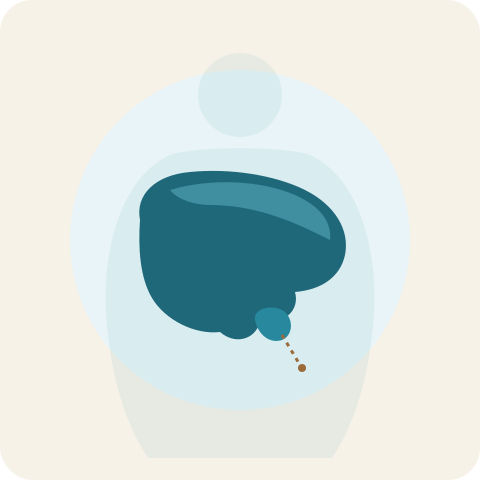
Hepatitis C is a virus that primarily infects the liver. Unlike hepatitis B, most adults exposed to hepatitis C develop chronic infection — but unlike B, we can now CURE it. The era of long, painful interferon injections is over: oral direct-acting antivirals (DAAs) cure 95-99% of patients in 8-12 weeks with minimal side effects.
How common is it?
Saudi prevalence ~1% in adults, with higher rates in older adults (born before 1992 — pre-screening of blood) and certain healthcare workers. Many infected people don't know they have it.
Why does it happen?
Spread mainly through blood: blood transfusions before 1992, unsterile medical/dental procedures, sharing needles. Less commonly through sexual contact (unlike B). Mother-to-child transmission is rare. Tattoos and body piercings with unsterile needles are risk factors.
Symptoms
- Most patients have NO symptoms for years
- Fatigue (most common)
- Brain fog
- Joint pain
- Late symptoms (cirrhosis): jaundice, fluid in abdomen, leg swelling
Red flags — seek urgent medical care
Jaundice with confusion
Acute liver failure or decompensated cirrhosis — emergency.
Vomiting blood
Variceal bleeding — ED.
How is it diagnosed?
Anti-HCV antibody screens for past or current infection. If positive, HCV RNA confirms current active infection. HCV genotype is no longer needed with modern pangenotypic DAAs. FibroScan or APRI to assess fibrosis.
What the latest science says
Direct-acting antivirals (DAAs) like sofosbuvir-velpatasvir or glecaprevir-pibrentasvir cure ~99% of patients in 8-12 weeks with rare side effects. The WHO has set a goal of eliminating hepatitis C globally by 2030.
Outlook — what to expect
CURE rate >95% with DAAs. Even patients with cirrhosis benefit — though they continue to need surveillance for liver cancer. Reinfection is possible if exposure continues.
Treatment
Habits & Lifestyle
Lifestyle protects the liver during and after treatment.
- Stop alcohol — completely.
- Get hepatitis A and B vaccines.
- Don't share razors, toothbrushes, nail clippers.
- After cure, you can be reinfected — avoid risk factors.
Diet
Standard healthy diet.
- Mediterranean diet pattern.
- Avoid herbal "liver detox" supplements — many are harmful.
- Coffee may be protective.
Medications
DAAs are the standard — usually one combination tablet daily for 8-12 weeks.
- Sofosbuvir-velpatasvir (Epclusa) — pangenotypic; 12 weeks; works for almost everyone.
- Glecaprevir-pibrentasvir (Maviret) — pangenotypic; 8 weeks for most.
- Side effects are minimal: occasional headache, fatigue, nausea — not interferon-style.
- Confirm cure with HCV RNA 12 weeks after finishing treatment (sustained virologic response = SVR).
Procedures & Surgery
Procedures address consequences in cirrhotic patients.
- Liver ultrasound + AFP every 6 months in cirrhotic patients — even after cure.
- FibroScan to monitor fibrosis after cure.
- Endoscopy for varices in cirrhosis.
In the Saudi context
Saudi MOH offers free DAA treatment for diagnosed hepatitis C patients. Many private centers also treat. Saudi Arabia has joined the WHO global elimination program. Pre-employment and pre-marital screening are increasingly common.
Questions to ask your doctor
Save this list or print it before your appointment — doctors appreciate prepared patients.
- Am I a candidate for DAA treatment?
- Will my insurance cover it?
- Do I have cirrhosis — and if so, what does that mean for surveillance?
Medically reviewed by: SGA Hepatology Panel · Last reviewed 24/04/2026