
Functional Dyspepsia (Indigestion)
Persistent upper abdominal discomfort — fullness, early satiety, or burning — with no visible damage on tests. Common, frustrating, and very treatable with the right combination of approaches.
Category
Common
Red flags
4
This article is educational and does not replace your doctor's advice. Seek urgent care for any red-flag symptoms.
What is it?
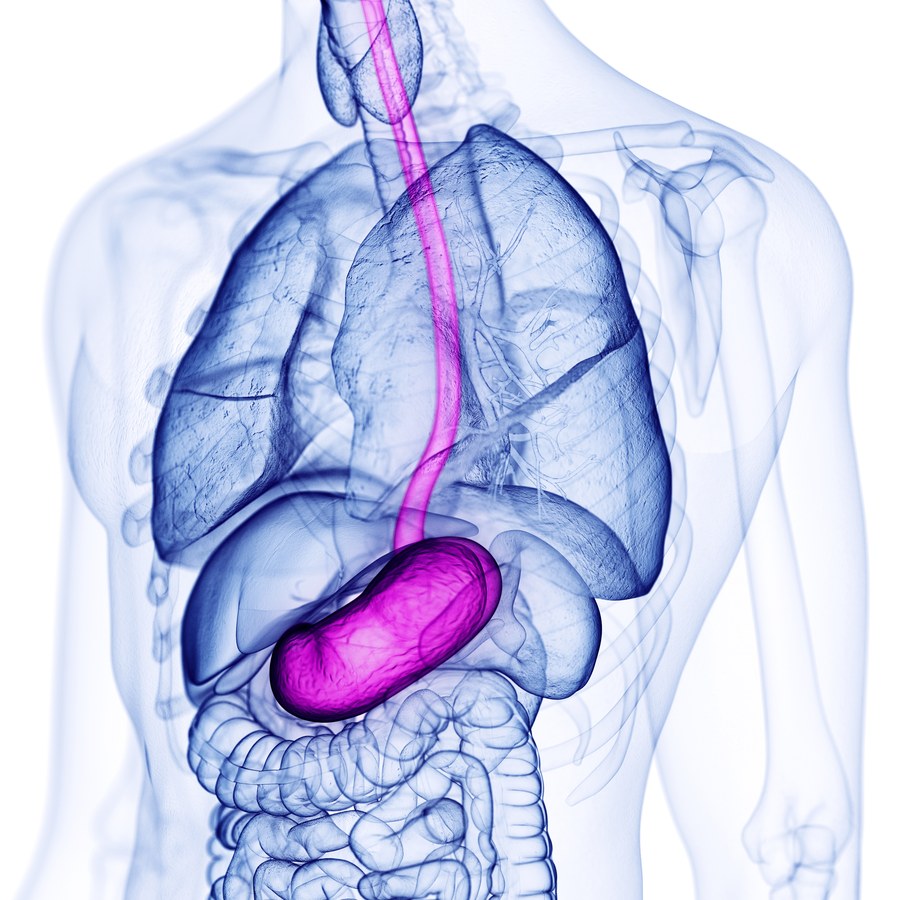
Functional dyspepsia (FD) is upper abdominal pain or discomfort that lasts 3+ months with normal endoscopy and tests. It is considered a brain–gut disorder — the stomach's muscle and nerve coordination is altered, often along with hypersensitivity to normal sensations.
There are two main subtypes: postprandial distress (fullness, early satiety after meals) and epigastric pain syndrome (burning pain regardless of meals).
How common is it?
Affects 10-20% of adults globally. In Saudi Arabia, surveys show that ~15% of adults have functional dyspepsia symptoms. More common in women and in people with anxiety or depression.
Why does it happen?
The exact cause is unknown but likely involves several factors: delayed stomach emptying, increased sensitivity to stomach distension, prior infections (especially gastroenteritis or H. pylori), genetics, anxiety, and altered brain-gut communication.
Symptoms
- Bothersome fullness after meals — even small ones
- Getting full quickly (early satiety)
- Burning sensation in the upper abdomen (not heartburn)
- Pain in the upper middle abdomen
- Bloating
- Nausea, often without vomiting
Red flags — seek urgent medical care
Difficulty swallowing or food sticking
Needs urgent endoscopy.
Vomiting blood or melena
ED immediately.
Unintentional weight loss
Always investigate.
Family history of stomach cancer
Lower threshold for endoscopy.
How is it diagnosed?
Diagnosis is based on symptoms (Rome IV criteria) plus exclusion of other causes. Most patients under 50 with no red flags can start treatment without endoscopy. Patients ≥50, or with any alarm symptom, need upper endoscopy. Test for H. pylori and treat if positive — eradication relieves symptoms in some FD patients.
Outlook — what to expect
FD is chronic but rarely progressive. Most patients improve substantially with the right combination of diet, lifestyle, and medication, though symptom-free periods alternate with flares.
Treatment
Habits & Lifestyle
Daily habits make a real difference.
- Eat smaller, more frequent meals — 4-5 small meals beat 2-3 large ones.
- Eat slowly, chew well, avoid eating on the go.
- Don't lie down within 2 hours of eating.
- Identify and reduce stress triggers — yoga, prayer, meditation, breathing exercises all help.
- Quality sleep is therapy — aim for 7-8 hours.
Diet
Trigger foods are individual — keep a food diary for 2 weeks.
- Common triggers: fatty foods, large meals, carbonated drinks, coffee, alcohol, very spicy foods.
- Try a low-FODMAP diet for 4-6 weeks if bloating is dominant.
- Ginger and peppermint may relieve nausea and discomfort.
- Avoid eating right before bed.
Medications
No single medication works for everyone — your doctor may try a stepwise approach.
- PPI (omeprazole 20 mg daily) for 4-8 weeks — first-line for burning-type symptoms.
- Prokinetic (domperidone, metoclopramide) for fullness/early satiety — short courses only.
- Tricyclic antidepressant low-dose (amitriptyline 10-25 mg at bedtime) — works on brain-gut sensitivity, helps 30-40% of refractory cases.
- STW5 (Iberogast) — herbal preparation with evidence for FD; available in some pharmacies.
- Treat H. pylori if positive.
Procedures & Surgery
Procedures rarely needed.
- Endoscopy mainly to exclude other diagnoses, not to treat FD.
- Cognitive behavioral therapy (CBT) and gut-directed hypnotherapy have strong evidence and are increasingly used.
Living with the condition
- Symptoms come in waves — flares can be triggered by stress, illness, or no obvious reason. Be patient with yourself.
- Track what helps and what hurts — patterns emerge over weeks.
- Anxiety and FD reinforce each other — addressing both works better than one alone.
Questions to ask your doctor
Save this list or print it before your appointment — doctors appreciate prepared patients.
- Do I need an endoscopy or can we treat without one?
- Could H. pylori be the cause?
- Would a low-dose tricyclic help me?
Medically reviewed by: SGA Patient Education Panel · Last reviewed 24/04/2026