
Functional Abdominal Pain
Chronic abdominal pain with no structural cause found on tests. Real, often severe, and treatable with neuromodulators (low-dose antidepressants) and brain-gut behavioral therapies.
Category
Chronic
Red flags
2
This article is educational and does not replace your doctor's advice. Seek urgent care for any red-flag symptoms.
What is it?
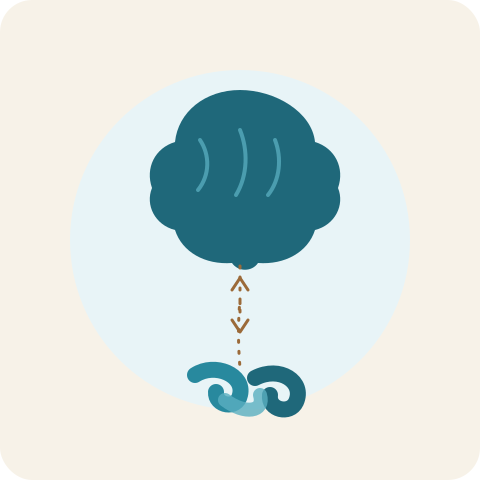
Functional abdominal pain syndrome (FAPS) is daily or near-daily abdominal pain that is not explained by another condition. It results from altered processing of normal gut sensations by the central nervous system — gut signals that are normally ignored become painful. NOT "imaginary" or "in your head" — it is a real disorder of nerve sensitivity.
How common is it?
Affects ~2% of adults. More common in women, often begins after major life events, prior infections, or surgery.
Why does it happen?
Visceral hypersensitivity — the gut's nerve signals are amplified in the spinal cord and brain. Often follows: gastroenteritis, abdominal surgery, life stressors, anxiety/depression. Genetic predisposition.
Symptoms
- Daily or near-daily abdominal pain
- Often constant, may have peaks
- Not clearly related to meals or bowel movements (distinguishes from IBS)
- Often associated with fatigue, sleep problems, anxiety, depression
- Substantial impact on work and social life
Red flags — seek urgent medical care
New severe pain
Investigate — don't assume FAPS.
Weight loss, bleeding, fever
Need workup for organic disease.
How is it diagnosed?
Diagnosis is clinical (Rome IV criteria) plus exclusion of structural disease. Limited testing once initial workup negative — repeat scans cause harm without yielding new info.
Outlook — what to expect
Lifelong condition for many but very treatable. Combination of neuromodulators + brain-gut therapy + lifestyle improves quality of life dramatically. The key is shifting from "find a structural cause" to "treat the nervous system".
Treatment
Habits & Lifestyle
Daily habits and stress management work alongside medication.
- Regular sleep — disrupted sleep amplifies pain.
- Daily exercise — even 30 minutes walking reduces visceral pain.
- Mindfulness, prayer, meditation, yoga.
- Pace activities — don't over-exert on good days.
- Address depression/anxiety if present.
Diet
Diet has limited role.
- Standard healthy diet.
- Track if specific foods worsen — but avoid restrictive elimination diets without dietitian guidance.
Medications
Neuromodulators are first-line — they desensitize the gut nerves.
- Tricyclic antidepressants (amitriptyline 10-50 mg at bedtime) — first-line. Improves pain in 60-70%.
- SNRIs (duloxetine 30-60 mg daily) — alternative.
- Pregabalin or gabapentin for neuropathic pain component.
- AVOID opioids — make functional pain worse over time.
Procedures & Surgery
Brain-gut behavioral therapies have strong evidence.
- Cognitive Behavioral Therapy (CBT) for chronic pain.
- Gut-directed hypnotherapy — substantial evidence.
- Mindfulness-based stress reduction.
- Pain management specialist referral for refractory cases.
Questions to ask your doctor
Save this list or print it before your appointment — doctors appreciate prepared patients.
- Have all serious causes been ruled out — and is more testing helpful?
- Could a low-dose tricyclic help me?
- Can I get gut-directed CBT or hypnotherapy?
Medically reviewed by: SGA Patient Education Panel · Last reviewed 24/04/2026