

saudigastro.com/patients/dietary-fiber
Category
Common
Red flags
4
This article is educational and does not replace your doctor's advice. Seek urgent care for any red-flag symptoms.
What is it?
Dietary fibre is made of plant carbohydrates that pass through the stomach and small intestine without being digested. There are two main kinds, and most plant foods contain both. Soluble fibre (oats, barley, legumes, apples, citrus fruit, psyllium) dissolves in water to form a gel, softens stools and slows the absorption of sugar and cholesterol. Insoluble fibre (wheat bran, whole grains, skins of fruit and vegetables, nuts) adds bulk and helps food to move through the bowel. Some fibres are fermented by gut bacteria and feed them, which supports a healthy gut environment.
How common is it?
Many adults in modern diets eat less fibre than recommended, because of more refined grains, fewer vegetables and legumes, and more processed foods. Low fibre intake is a common contributor to constipation and is linked with other long-term health problems.
Why does it happen?
Low fibre comes from eating few whole plant foods. Too much fibre, or a sudden increase, can cause gas, bloating and cramps because bacteria ferment it. Some conditions change how much or what type of fibre suits you: for example, a narrowed bowel (stricture), a recent flare of inflammatory bowel disease, bowel surgery or blockage may require a lower-fibre diet, while constipation, diverticular disease prevention and high cholesterol often benefit from more.
Symptoms
- Hard, infrequent stools or straining (may suggest too little fibre or fluid)
- Feeling hungry soon after meals
- Bloating, gas and cramps when fibre is increased too fast
- Loose stools with some types of added fibre or fibre-rich foods in sensitive people
- Haemorrhoids (piles) flaring with constipation
Red flags — seek urgent medical care
Blood in the stool or black stools
Not explained by fibre. See a doctor promptly; go to the emergency room if heavy or you feel faint.
Severe belly pain, swelling and vomiting, with no passing of stool or wind
Possible bowel blockage; do not take extra fibre or laxatives. Go to the emergency room.
A new, lasting change in bowel habit, or unexplained weight loss
Needs medical review and possible tests; do not treat it with fibre alone.
Difficulty swallowing, or fibre supplements sticking in the throat
Stop the supplement and seek urgent care if you have chest pain, choking or cannot swallow.
How is it diagnosed?
There is no test for low fibre intake. A doctor or dietitian reviews what you eat (sometimes with a food diary), your bowel habits and your medical history. Tests such as blood tests, stool tests or colonoscopy are done to rule out other causes when you have warning signs or persistent changes. If you have a medical condition that affects how much fibre you can take, your specialist gives personal advice.
What the latest science says
Studies consistently link diets rich in fibre, especially from whole grains, vegetables, fruits and legumes, with better bowel function and with lower risks of heart disease, type 2 diabetes and bowel cancer. Different fibres act differently: psyllium helps both constipation and loose stools, while some fermentable fibres can worsen symptoms in irritable bowel syndrome. A gradual, food-first approach is advised.
Outlook — what to expect
For most people, steadily raising fibre and fluids improves stool regularity within a few weeks, and benefits continue as long as the habit continues. Where symptoms persist despite good fibre intake, other causes should be looked for.
Treatment
Habits & Lifestyle
Fibre works best together with fluids and activity, and when it is increased slowly.
- Increase fibre gradually over a few weeks to let your gut adapt.
- Drink enough fluids through the day; fibre without fluids can make constipation worse.
- Be active every day; walking helps the bowel to move.
- Do not ignore the urge to pass stool, and set aside unhurried toilet time, for example after a meal.
- Keep a food and symptom diary if you notice that certain high-fibre foods upset you.
Diet
Aim to get fibre from a variety of foods. Adults are generally advised to eat roughly 25 to 30 grams a day; your doctor or dietitian can give a target that suits you.
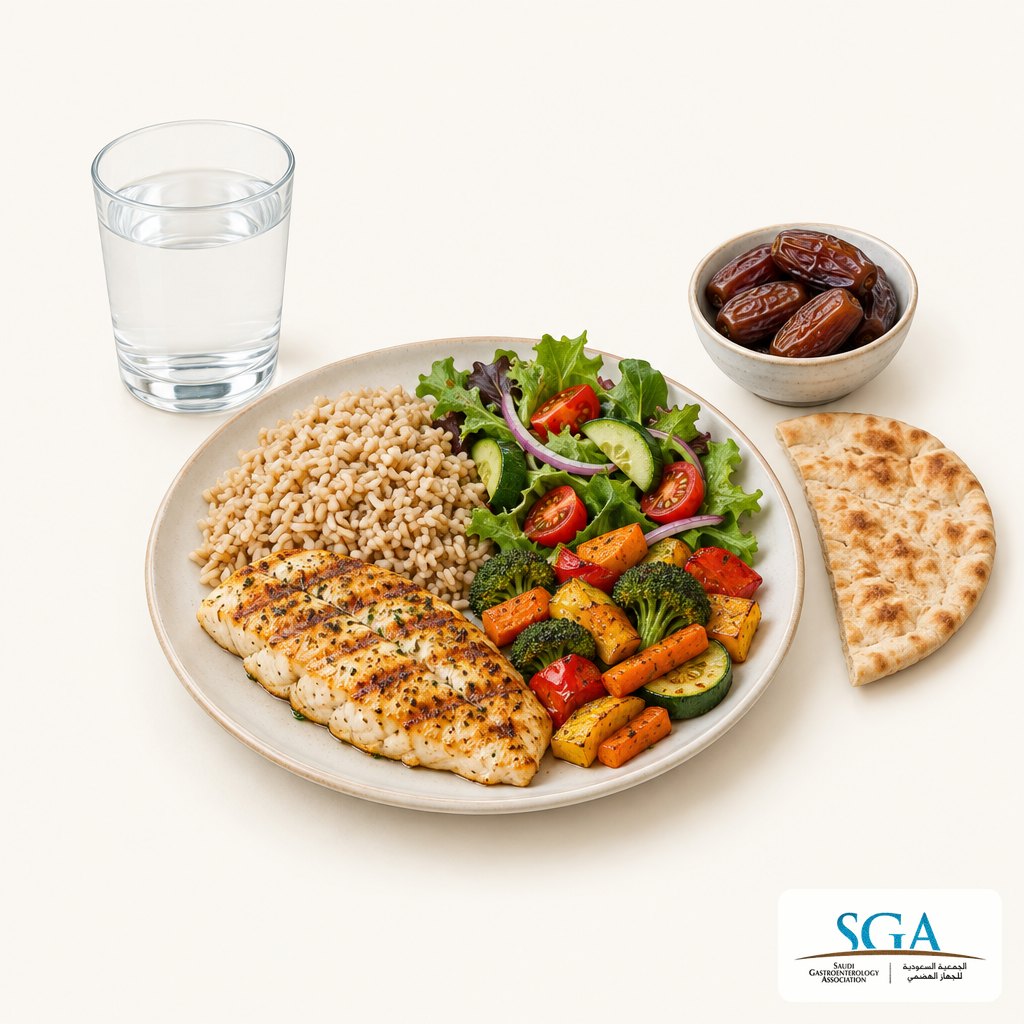
- Choose whole grains: oats, brown rice, whole wheat bread, barley, bulgur, freekeh.
- Eat vegetables and fruit daily, with edible skins where suitable.
- Add legumes such as lentils, chickpeas and beans a few times a week, starting with small portions.
- Snack on nuts, seeds and dried fruit such as dates and figs, in moderate amounts.
- If you have a bowel narrowing, recent bowel surgery, or an active inflammatory bowel disease flare, follow your specialist advice about lowering fibre, such as peeling, cooking well or choosing softer foods.
Medications
If food alone is not enough, fibre supplements are available. Ask your doctor or pharmacist which suits you and the amount to take.
- Psyllium (ispaghula) is a soluble fibre supplement used for constipation and sometimes for loose stools; take it with plenty of water.
- Start with a small amount and build up slowly to avoid gas and bloating.
- Take supplements separately from other medicines, as fibre can reduce absorption of some of them; ask your pharmacist about timing.
- Avoid fibre supplements if you have a bowel blockage, difficulty swallowing or unexplained severe constipation until you have been assessed.
Procedures & Surgery
Fibre itself does not need a procedure. Tests are used when symptoms do not respond or warning signs appear.
- Colonoscopy may be advised for rectal bleeding, a persistent change in bowel habit, anaemia, weight loss, or as part of age-based bowel cancer screening.
- Tests of bowel movement (such as anorectal tests) may be used for stubborn constipation.
Living with the condition
- Small steady changes work better than a sudden big change.
- Check food labels for fibre content when you shop.
- If your bowel symptoms do not improve, see your doctor rather than adding more and more fibre.
In the Saudi context
Local foods that offer fibre include whole wheat bread, bulgur, freekeh, barley, lentils, foul (fava beans), chickpeas, dates and vegetable stews. During Ramadan, drink enough fluids between iftar and suhoor and include fibre in both meals to help prevent constipation.
Questions to ask your doctor
Save this list or print it before your appointment — doctors appreciate prepared patients.
- How much fibre is right for me with my condition?
- Should I use a fibre supplement, and which one?
- Does fibre interact with my medicines?
- Which fibre-rich foods should I avoid during a flare or after surgery?
- Do I need tests if my constipation continues?
Was this guide helpful?
Status: Approved for publication by SGA; individual clinician review is ongoing · Published 24/04/2026
For general education only; it does not replace your doctor’s advice. Individual clinician review of this guide is ongoing. SGA clinician? Review this guide