

saudigastro.com/patients/diet-in-cirrhosis
Category
Chronic
Red flags
5
This article is educational and does not replace your doctor's advice. Seek urgent care for any red-flag symptoms.
What is it?
Cirrhosis is advanced scarring of the liver. The liver normally stores energy, makes proteins and helps the body use nutrients, so in cirrhosis the body runs out of fuel faster during fasting and loses muscle more easily. Malnutrition and muscle loss are very common in cirrhosis and are linked to more complications and poorer outcomes. For this reason nutrition is treated as part of the medical treatment, and the old advice to cut down protein is no longer recommended.
How common is it?
A large share of people with cirrhosis, especially those with more advanced disease, have some degree of malnutrition or muscle loss, and it can occur in people who are overweight too. Having extra weight does not mean the diet is adequate, and muscle can be lost while body weight is stable or even rising because of fluid.
Why does it happen?
Several things add up: poor appetite and feeling full quickly (especially when fluid presses on the stomach), taste changes, nausea, restricted or unpalatable diets, reduced absorption, higher energy needs, and a liver that cannot store fuel. Alcohol use, diabetes, and other diseases can add to the problem. Salt makes the body hold fluid, so extra salt can worsen swelling in the legs and abdomen.
Symptoms
- Loss of muscle, especially in the arms, legs and temples
- Weakness, tiredness and reduced strength for daily tasks
- Poor appetite or feeling full after small meals
- Weight loss that may be hidden by fluid swelling
- Swollen legs or abdomen from fluid
- Morning shakiness or sweating from low blood sugar after long fasts
Red flags — seek urgent medical care
Confusion, personality change, extreme sleepiness or day-night reversal
May be hepatic encephalopathy, a brain effect of liver disease. Go to the emergency room; do not wait.
Vomiting blood or black stools
Bleeding from swollen veins in the gullet or stomach. Call emergency services immediately.
Fever with abdominal pain or a sudden increase in belly swelling
The abdominal fluid may be infected. Go to the hospital the same day.
Very little urine, severe dizziness or fainting
Possible dehydration or kidney problems. Seek urgent care.
Rapid weight loss or being unable to eat for several days
Needs urgent dietary and medical review.
How is it diagnosed?
Your team looks at weight history, appetite, and muscle bulk, and measures things such as hand-grip strength, arm muscle size or walking speed, which are better than weight alone. A dietitian takes a diet history. Blood tests check vitamins, minerals, kidney function and sugar. Sometimes body scans give a measure of muscle. Your liver specialist will also look for the cause and severity of the cirrhosis.
What the latest science says
International guidelines now recommend enough energy and protein for people with cirrhosis, avoiding long gaps between meals, and a late-evening snack to reduce overnight muscle breakdown. Protein restriction is no longer recommended even in people with hepatic encephalopathy, and branched-chain amino acid supplements may be considered in selected people. Exercise, especially resistance exercise, is increasingly encouraged when safe.
Outlook — what to expect
Good nutrition helps to preserve muscle and strength, lowers the risk of some complications and improves the ability to tolerate treatment or surgery, including liver transplantation. Nutrition does not reverse cirrhosis, but it is one of the most useful things you can do each day alongside your medical treatment.
Treatment
Habits & Lifestyle
The rhythm of eating matters. The liver cannot store much fuel, so avoid long gaps without food.
- Eat 4 to 6 small meals or snacks across the day rather than 2 large ones.
- Have a bedtime snack that contains carbohydrate and some protein, and eat breakfast soon after waking.
- Do not drink alcohol at all.
- Be as active as your doctor allows; walking and light resistance exercise help to keep muscle.
- Weigh yourself regularly, and tell your team about sudden gains (fluid) or steady loss.
Diet
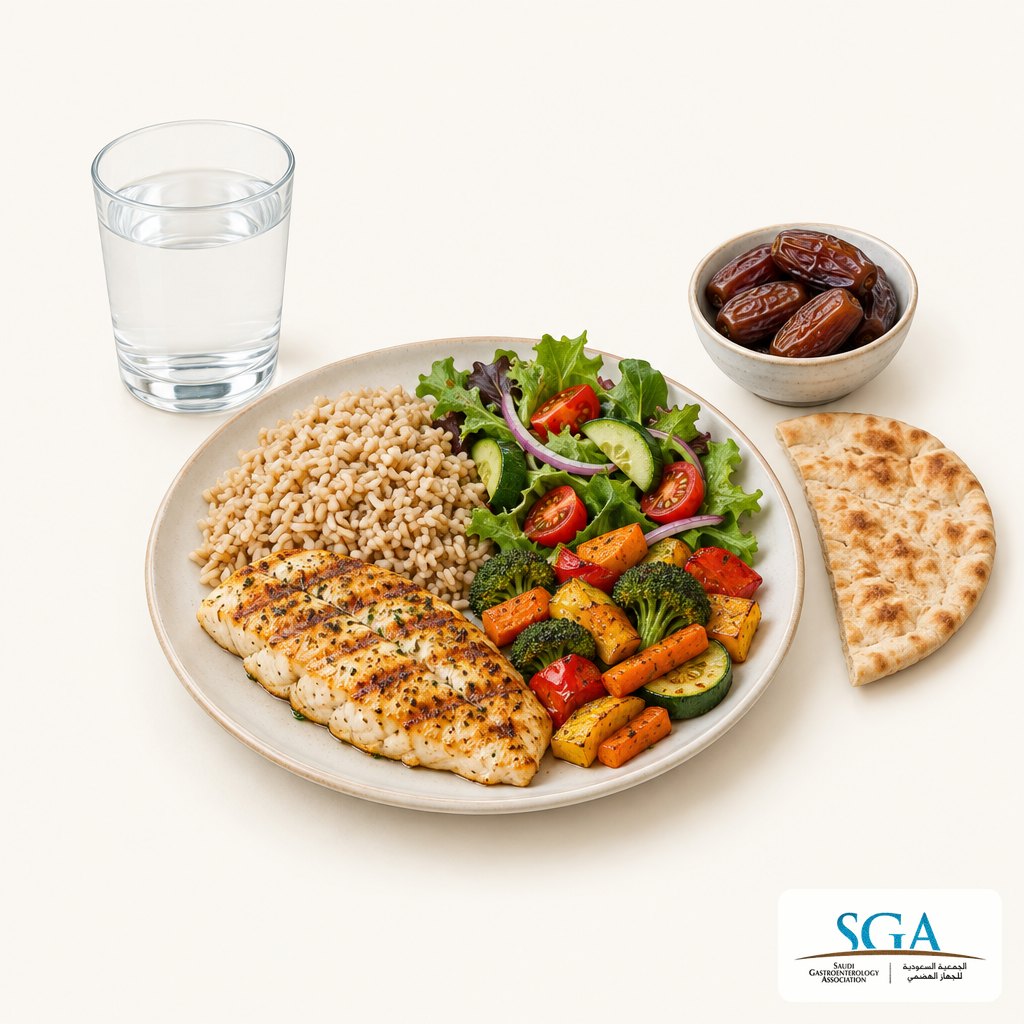
Aim for a varied diet with enough calories and protein, and limit salt. A dietitian experienced in liver disease can give you exact targets.
- Include protein at each meal and snack: eggs, fish, poultry, lean meat, dairy, legumes, nuts. Do not restrict protein unless your doctor specifically tells you.
- Limit salt: do not add salt at the table, cook with herbs, lemon and spices instead, and avoid salty processed foods such as pickles, canned foods, salted cheese, stock cubes and fast food.
- Choose complex carbohydrates such as whole grains, rice and bread in suitable portions, and healthy fats like olive oil.
- Do not eat raw or undercooked shellfish or raw fish; they can carry dangerous infections in cirrhosis.
- Do not restrict fluids unless your doctor advises it because of a low blood sodium level.
- Avoid herbal remedies and high-dose supplements; some are harmful to the liver. Ask before using any, including vitamin A or iron.
Medications
Medicines are used to treat the cause of cirrhosis and its complications. Always check with your liver doctor before using any medicine, including those bought over the counter.
- Diuretics (water tablets) can reduce fluid with a low-salt diet; your doctor monitors blood tests.
- Lactulose and other medicines may be used to prevent or treat hepatic encephalopathy.
- Vitamin and mineral supplements, such as zinc or vitamin D, are given when a deficiency is shown.
- Avoid anti-inflammatory painkillers such as ibuprofen and use paracetamol only at the limit your doctor sets.
- Oral nutritional supplement drinks can be added when food alone is not enough.
Procedures & Surgery
Procedures treat complications that affect eating and nutrition.
- Paracentesis (draining fluid from the abdomen with a needle) can relieve fullness and improve appetite.
- Endoscopy checks for swollen veins and can treat them with banding.
- If you cannot eat enough, a feeding tube through the nose may be used for a short period under specialist advice.
- Liver transplantation is considered in suitable patients; good nutrition helps before and after.
Living with the condition
- Ask for a referral to a dietitian who knows liver disease.
- Plan meals in advance and keep easy snacks within reach.
- Share the salt and protein advice with whoever cooks for you.
- Keep up with vaccinations and appointments.
In the Saudi context
Traditional dishes can be high in salt (salted cheese, pickles, cured fish, stock cubes and some bread). Dates, eggs, yoghurt (laban), fish, chicken and legumes can be part of the plan. If you want to fast during Ramadan, talk to your liver doctor beforehand, because long fasts can be harmful in advanced cirrhosis; if you do fast, eat a late suhoor and a snack before sleeping, and avoid too much salt at iftar.
Questions to ask your doctor
Save this list or print it before your appointment — doctors appreciate prepared patients.
- How many calories and how much protein do I need each day?
- How much salt can I eat, and do I need diuretics?
- Which supplements or herbal products are safe for me?
- Is it safe for me to fast in Ramadan?
- Can I be referred to a dietitian and to an exercise programme?
Was this guide helpful?
Status: Approved for publication by SGA; individual clinician review is ongoing · Published 24/04/2026
For general education only; it does not replace your doctor’s advice. Individual clinician review of this guide is ongoing. SGA clinician? Review this guide