
Crohn's Disease
A chronic inflammatory condition that can affect any part of the digestive tract from mouth to anus. Modern medications (biologics) keep most patients in long-term remission.
This article is educational and does not replace your doctor's advice. Seek urgent care for any red-flag symptoms.
What is it?
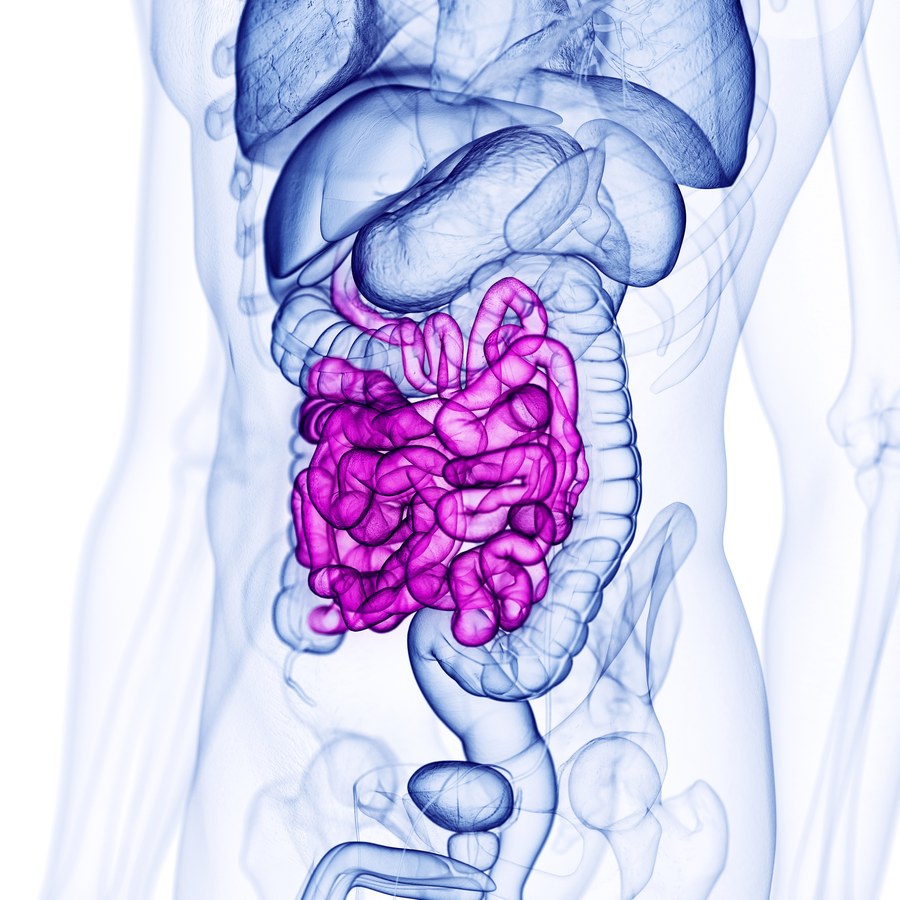
Crohn's disease is one of two main forms of inflammatory bowel disease (IBD). The immune system attacks the digestive tract, causing inflammation that can be patchy and deep. Most commonly affects the end of the small intestine and the beginning of the colon, but can occur anywhere. Cycles of flares and remission are typical.
How common is it?
Crohn's is rising rapidly in Saudi Arabia — current prevalence ~30 per 100,000. The Saudi National IBD Registry has documented a doubling over the last 15 years, particularly in young adults. Onset usually 15–35 years old.
Why does it happen?
Combination of genetic susceptibility (>200 genes identified, NOD2 most important), environmental triggers (Western diet, smoking, antibiotics in childhood), abnormal gut microbiome, and immune dysregulation. Smoking doubles the risk and worsens disease.
Symptoms
- Diarrhea, sometimes with blood
- Abdominal pain, often in the lower right
- Weight loss, fatigue
- Fever during flares
- Mouth ulcers
- Joint pain, eye inflammation, skin rashes (extra-intestinal manifestations)
- Anal fistulas, abscesses, fissures (perianal disease, especially common in Saudi cohort)
- Children: poor growth, delayed puberty
Red flags — seek urgent medical care
Severe abdominal pain with vomiting and bloating
Possible bowel obstruction — emergency.
Heavy rectal bleeding
ED for transfusion and assessment.
High fever (>38.5°C) with abdominal pain
Possible abscess or perforation.
Sudden severe perianal pain with swelling
Perianal abscess — needs urgent drainage.
How is it diagnosed?
Diagnosis combines: colonoscopy with ileoscopy and biopsies (gold standard); MRI enterography or CT enterography to image small bowel; blood tests (CRP, ESR, CBC); stool tests (calprotectin to assess inflammation, cultures to rule out infection); capsule endoscopy for small bowel disease invisible on standard endoscopy.
What the latest science says
Many new biologics in the past decade: ustekinumab (IL-12/23), risankizumab (IL-23), vedolizumab (gut-selective), upadacitinib (oral JAK inhibitor). Treatment goal is now mucosal healing on endoscopy, not just symptom control. Treat-to-target with calprotectin monitoring is standard.
Outlook — what to expect
With modern treatment, most patients achieve long remission and live full lives. About 50% need surgery at some point in life — but surgery is not a "failure"; it can be the right tool. Lifelong condition, but well-managed.
Treatment
Habits & Lifestyle
Lifestyle reduces flare frequency and improves how you feel.
- STOP SMOKING — single most important lifestyle change. Smokers have worse disease and more surgery.
- Take medications EXACTLY as prescribed — even when feeling well.
- Get vaccinations BEFORE starting biologics (flu, pneumococcal, hepatitis B, shingles if eligible).
- Manage stress — flares often follow major stressors.
- Get enough sleep (7-8 hours).
- Stay current with bowel cancer surveillance — risk is higher with long-standing colon involvement.
Diet
No single "Crohn's diet" works for everyone — but trigger foods are real and individual.
- During flares: low-residue diet (avoid raw vegetables, nuts, seeds, whole grains).
- In remission: Mediterranean diet has the best evidence.
- Avoid: ultra-processed foods, excess emulsifiers (in many packaged foods).
- If lactose intolerant (common in Crohn's): use lactose-free dairy.
- Iron, vitamin D, B12 are commonly low — get checked yearly.
- Exclusive enteral nutrition (formula-only diet) is highly effective for remission, especially in children.
Medications
Treatment is stepwise but increasingly aggressive early — "top-down" therapy improves long-term outcomes.
- Steroids (prednisone, budesonide) — for flares only, NOT long-term.
- Immunomodulators (azathioprine, methotrexate) — for maintenance.
- Biologics — first-line for moderate-to-severe disease: anti-TNF (infliximab, adalimumab), vedolizumab (gut-selective), ustekinumab (IL-12/23), risankizumab (IL-23).
- Small molecules: upadacitinib (oral JAK inhibitor) for refractory cases.
- Antibiotics for perianal disease: ciprofloxacin, metronidazole.
Procedures & Surgery
Surgery is not failure — it can be the right tool when medication isn't enough or for complications.
- Endoscopic balloon dilation for short strictures.
- Bowel resection (removal of diseased segment) for strictures, fistulas, or refractory disease.
- Seton placement for complex perianal fistulas — keeps them open while medical treatment works.
- Surveillance colonoscopy every 1-3 years if colon is involved >8 years.
Living with the condition
- Connect with the Saudi IBD Society — peer support and the latest local resources.
- Plan ahead for travel — carry a doctor's letter, extra medication, know location of nearest hospital.
- Crohn's does not affect lifespan if well-managed — focus on quality of life.
In the Saudi context
Saudi Arabia has world-class IBD care at major centers (KFSH, KFMC, KAU, KAMC). Several biologics are MOH-approved and insurance-covered. The Saudi National IBD Registry tracks outcomes. Genetic syndromes (NOD2, very-early-onset IBD) are increasingly recognized in consanguineous families.
Questions to ask your doctor
Save this list or print it before your appointment — doctors appreciate prepared patients.
- Where in my GI tract is my Crohn's active right now?
- Should I be on a biologic — and which one?
- When is my next colonoscopy and calprotectin?
- What vaccinations do I need before starting biologic therapy?
Medically reviewed by: SGA Patient Education Panel · Last reviewed 24/04/2026