
Chronic Constipation
Difficulty passing stool, fewer than 3 bowel movements per week, or hard stools — common at all ages and almost always improvable with the right approach.
This article is educational and does not replace your doctor's advice. Seek urgent care for any red-flag symptoms.
What is it?
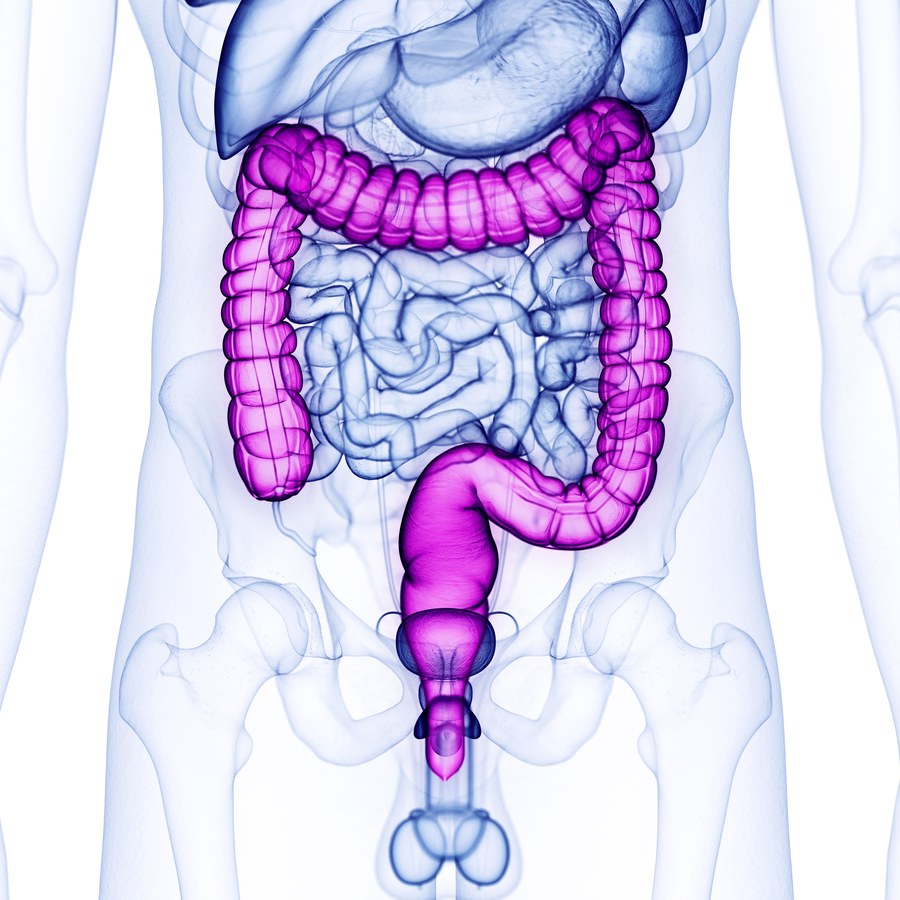
Constipation is more than just infrequent bowel movements. It includes hard stools, straining, incomplete emptying, and the sensation of blockage. Three main types: slow-transit (the colon moves slowly), normal-transit (the colon moves normally but symptoms persist), and outlet/dyssynergic (pelvic floor doesn't coordinate — see Pelvic Floor Dyssynergia).
How common is it?
Affects 15-20% of adults globally. In Saudi Arabia, even higher — likely 20-25% — possibly due to low water intake, sedentary lifestyle, low fiber, and frequent travel.
Why does it happen?
Multiple causes: low fiber, low fluid intake, low physical activity, medications (opioids, calcium channel blockers, iron, anticholinergics), pregnancy, hypothyroidism, diabetes, neurologic conditions, IBS-C, pelvic floor dysfunction, mechanical obstruction (rare).
Symptoms
- Fewer than 3 bowel movements per week
- Hard, lumpy, or pellet-like stools
- Straining
- Sensation of incomplete emptying
- Sensation of blockage in the rectum
- Need to use a finger to help pass stool ("digital maneuvers")
- Bloating, abdominal discomfort
Red flags — seek urgent medical care
New constipation after age 50, especially with weight loss
Colonoscopy needed to rule out cancer.
Blood in stool (not just from hemorrhoids)
Investigate.
Severe abdominal pain with vomiting
Possible obstruction — emergency.
Family history of colon cancer
Lower threshold for colonoscopy.
How is it diagnosed?
Detailed history and physical (including digital rectal exam — yes, really). Blood tests for thyroid, calcium, glucose. Colonoscopy if red flags or age >45. Anorectal manometry and balloon expulsion test if pelvic floor dyssynergia suspected. Colonic transit study to distinguish slow vs normal transit.
Outlook — what to expect
Excellent for most patients with the right combination of fiber, fluids, exercise, and (if needed) medication. Pelvic floor dyssynergia responds beautifully to biofeedback. Slow-transit constipation can be challenging but newer drugs help.
Treatment
Habits & Lifestyle
Habits are the foundation — and often enough on their own.
- Drink 1.5-2 liters of water per day, more in summer.
- Walk 30 minutes most days — physical activity drives bowel motility.
- Use a footstool on the toilet — raises knees above hips, straightens the rectum.
- Try at the same time each day, ideally 15-30 minutes after a meal (gastrocolic reflex).
- Don't hold in stool — respond to the urge.
- Limit toilet time to 5 minutes — long sittings worsen the pattern.
Diet
Fiber + fluid is the classic combination.
- Aim for 25-30 g fiber daily — fruits, vegetables, whole grains, legumes.
- Add psyllium (Metamucil, Fybogel) 5-10 g daily — strongest evidence.
- Kiwi (2 per day) and prunes are evidence-based natural laxatives.
- Increase fiber GRADUALLY — too fast causes bloating.
- Magnesium-rich foods (nuts, seeds, leafy greens) help.
Medications
Many laxatives work — choose based on side effect tolerance.
- Polyethylene glycol (PEG, Movicol, Forlax) — first-line; safe long-term; few side effects.
- Lactulose — osmotic; can cause bloating.
- Stimulant laxatives (senna, bisacodyl) — short-term only; don't use daily.
- Linaclotide, plecanatide, lubiprostone — for chronic constipation that doesn't respond to PEG.
- Prucalopride — prokinetic; works on slow-transit.
- Stop or substitute constipating medications when possible (opioids, calcium-channel blockers, iron).
Procedures & Surgery
Procedures rarely needed — but biofeedback transforms outcomes for dyssynergia.
- Anorectal manometry + balloon expulsion to test for dyssynergia.
- Biofeedback therapy — 70-80% success for pelvic floor dyssynergia.
- Subtotal colectomy — last resort for severe slow-transit unresponsive to all treatments.
Questions to ask your doctor
Save this list or print it before your appointment — doctors appreciate prepared patients.
- Could pelvic floor dyssynergia be the cause?
- Are any of my medications contributing?
- Should I have a colonoscopy?
- Is my hypothyroidism well-controlled?
Medically reviewed by: SGA Patient Education Panel · Last reviewed 24/04/2026