

saudigastro.com/patients/ascites
Category
Serious
Red flags
5
This article is educational and does not replace your doctor's advice. Seek urgent care for any red-flag symptoms.
What is it?
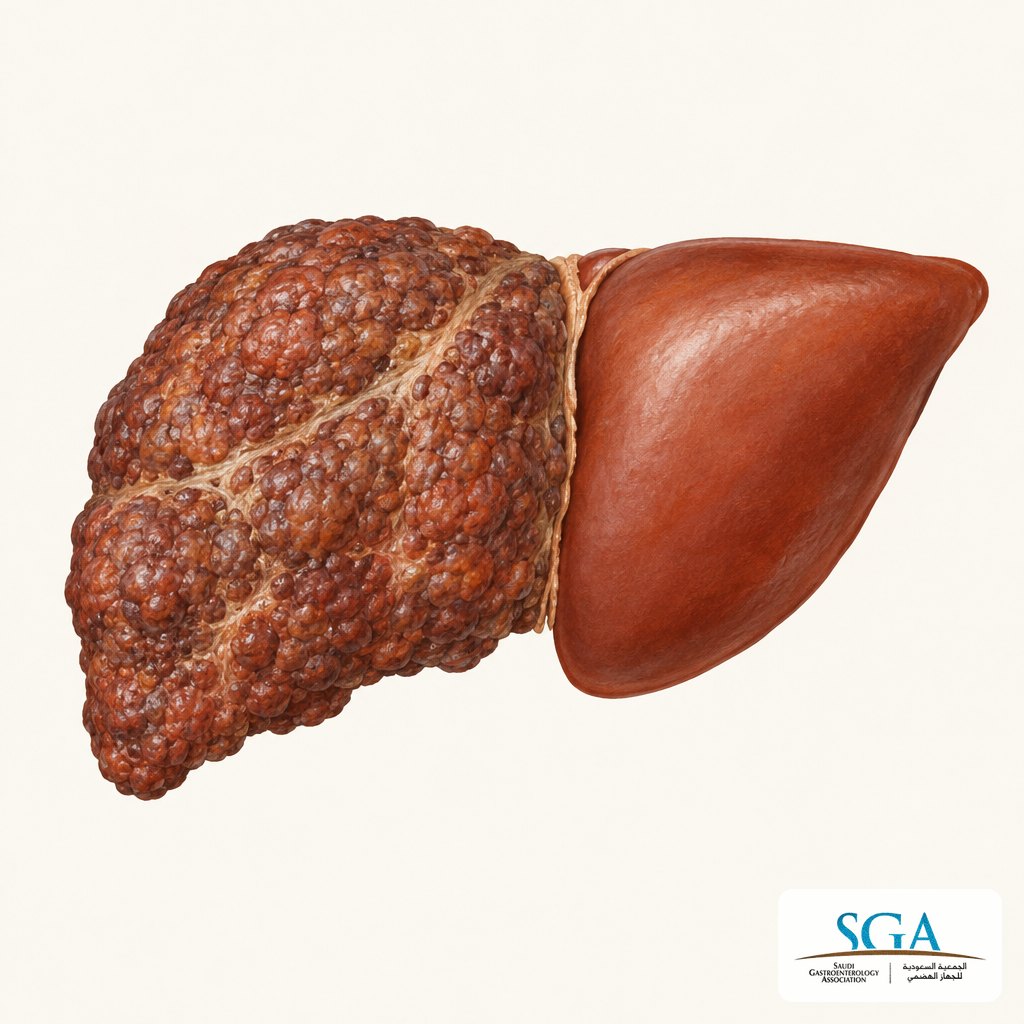
Ascites (say "a-SIGH-teez") is an abnormal collection of fluid in the space between the abdominal wall and the organs inside it. The belly slowly becomes swollen and tight, and clothes or belts may feel too small. In most people it is a sign that the liver is badly scarred (cirrhosis, meaning long-term scarring that makes the liver hard and less able to work). When it appears, doctors call it a "decompensation", which simply means the liver is no longer coping fully and needs closer follow-up. Less often, ascites is caused by problems in the heart, kidneys, pancreas, or by some cancers or infections, so finding the cause is the first step.
How common is it?
Ascites is the most common complication of cirrhosis, and many people with cirrhosis will develop it at some point. Because fatty liver disease and chronic viral hepatitis are common in Saudi Arabia, many patients seen by liver specialists in the Kingdom have cirrhosis, and ascites is a frequent reason for hospital admission.
Why does it happen?
In cirrhosis the scarred liver blocks the normal flow of blood coming from the intestines, so pressure rises in the large vein that carries this blood to the liver (portal hypertension, meaning high pressure in the liver's main vein). At the same time the liver makes less albumin, a protein that keeps fluid inside blood vessels. The body then holds on to extra salt and water through hormone signals, and fluid leaks into the abdomen. Other causes include heart failure, kidney disease with heavy protein loss in the urine, infection such as tuberculosis, and cancers involving the lining of the abdomen. A small sample of the fluid is usually tested to tell these apart.
Symptoms
- Gradual swelling and tightness of the belly, with weight gain
- Clothes, belts or rings feeling tight
- Feeling full quickly after small meals, or loss of appetite
- Shortness of breath, especially when lying flat
- Swelling of the feet and ankles
- Discomfort, heaviness or mild pain in the belly
- Heartburn, nausea or a bulging belly button (umbilical hernia)
- Tiredness and reduced ability to do daily activities
Red flags — seek urgent medical care
Fever or chills together with belly pain or tenderness
Possible spontaneous bacterial peritonitis, an infection of the abdominal fluid that develops without any hole or injury. It is an emergency and needs antibiotics promptly.
New confusion, unusual sleepiness or personality change
May mean infection or hepatic encephalopathy (brain effects of liver failure). Go to the emergency department.
Vomiting blood, or black, sticky stools
Bleeding from swollen veins in the gullet or stomach. Emergency.
Passing very little urine, or rapid worsening of swelling despite treatment
The kidneys may be under strain, which can happen with dehydration, infection or too much water-pill. Contact your team the same day.
Severe breathlessness or a very tense belly
Large-volume fluid may need to be drained urgently.
How is it diagnosed?
Your doctor will examine your belly and usually confirm fluid with an ultrasound scan. Blood tests check liver and kidney function, salts (sodium and potassium) and albumin. A diagnostic paracentesis is often done: a thin needle is passed through the numbed skin of the belly to take a small sample of fluid, which is tested for infection, protein and cell counts. This is especially important if you are admitted to hospital with ascites. Further tests look for the cause of cirrhosis and for complications such as swollen veins or liver cancer.
What the latest science says
Current liver guidelines (AASLD, EASL) emphasise a moderate, not extreme, salt restriction, adequate protein and calories, careful use of water pills, and giving albumin (a protein drip) when large volumes are drained. For ascites that no longer responds to medicines, options such as repeated drainage or a liver bypass procedure (TIPS) and early referral for liver transplant assessment are considered.
Outlook — what to expect
Ascites is a sign that cirrhosis has become more advanced, so it should be taken seriously, but many people live well for years with the right care. Outcomes depend on the cause of cirrhosis, how well it is treated (for example, stopping alcohol, treating hepatitis or weight loss for fatty liver), and whether infections, kidney problems or other complications develop. Ascites that keeps returning despite treatment is a signal to discuss liver transplant evaluation with your specialist.
Treatment
Habits & Lifestyle
Daily routines make a real difference in keeping fluid under control and spotting trouble early.
- Weigh yourself every morning after using the toilet, before breakfast, on the same scale, and write the number down. Report a rapid gain (for example over several days) or a sudden drop to your team.
- Avoid alcohol completely, and avoid anti-inflammatory painkillers such as ibuprofen or diclofenac (NSAIDs). They can harm the kidneys and worsen fluid build-up. Ask your doctor which pain relief is safe for you.
- Do not take herbal or "liver tonic" products without asking your liver team.
- Rest with your legs raised when the ankles are swollen, and keep gently active, for example short walks, to protect muscle.
- Keep your clinic and blood-test appointments, as doses of water pills often need adjusting.
Diet
Eating less salt is the most important food change. Do not cut back on food overall: people with cirrhosis need enough calories and protein to protect their muscles.
- Follow the sodium (salt) limit your doctor sets. Do not add salt at the table or in cooking, and avoid salty processed foods such as canned foods, pickles, salted cheese, olives, chips, stock cubes, seasoning mixes, and many fast foods and ready sauces.
- Read food labels for sodium, and flavour food with lemon, garlic, herbs and spices that do not contain salt.
- Do not restrict protein or calories. Eat regular meals with a good protein source (eggs, fish, chicken, dairy, legumes) and a bedtime snack, which helps prevent muscle loss overnight. A dietitian who knows liver disease can help.
- Limit fluids only if your doctor tells you to (usually when blood sodium is very low). Most people with ascites do not need to restrict water.
- Avoid raw or undercooked shellfish and unpasteurised dairy, because infections can be serious in cirrhosis.
Medications
Water pills (diuretics) help the kidneys remove extra salt and water. Take them exactly as prescribed, and do not change or stop them yourself.
- Diuretics (commonly spironolactone, often with furosemide) are the usual first medicines. Your doctor chooses the doses and adjusts them according to your weight, blood salts and kidney tests.
- Call your team if you have vomiting, diarrhoea, dizziness, muscle cramps, or you are eating and drinking poorly. Diuretics may need to be paused.
- Some blood pressure and pain medicines can harm the kidneys in cirrhosis. Always tell every doctor and pharmacist that you have liver disease.
- If fluid infection has happened before, or the risk is high, your doctor may prescribe a long-term preventive antibiotic.
- Albumin (a protein infusion given in hospital) is sometimes used after large drainage or for certain kidney or infection complications.
Procedures & Surgery
When water pills and salt restriction are not enough, fluid can be removed directly or the pressure problem can be treated.
- Therapeutic paracentesis (large-volume drainage): after numbing the skin, a thin tube removes fluid from the belly, usually in a day-care or ward setting. It brings quick relief of breathlessness and discomfort, and albumin is often given with larger volumes.
- Risks of paracentesis are uncommon: leaking from the puncture site, bruising, infection, or a drop in blood pressure or kidney function.
- TIPS (transjugular intrahepatic portosystemic shunt): for ascites that keeps returning despite treatment, a radiologist places a small tunnel inside the liver to lower the pressure. It may increase the risk of confusion (hepatic encephalopathy), so it is chosen carefully.
- Liver transplant assessment: refractory ascites is a reason to ask about transplant evaluation early.
Living with the condition
- Keep a simple diary of morning weight, your medicines and any symptoms to share at each visit.
- Plan salt-conscious meals in advance for family gatherings and travel, and explain your needs to those who cook for you.
- Swollen bellies and fatigue can be distressing. Talk to your team or a counsellor about low mood, and involve family members in your care.
- Carry a list of your medicines and the name of your liver doctor for emergencies.
In the Saudi context
Many Saudi patients with ascites are cared for in hospital liver or gastroenterology clinics, and large centres offer day-care paracentesis, TIPS and transplant assessment. Salted and pickled foods, canned goods, cheese and ready spice mixes are common in local cooking, so a family-wide approach to cooking with less salt helps a great deal.
Questions to ask your doctor
Save this list or print it before your appointment — doctors appreciate prepared patients.
- What is causing my ascites, and has the fluid been tested?
- How much salt may I have each day, and how much protein should I eat?
- What weight change should make me call you?
- Which painkillers and herbal products are safe for me?
- Do I need an antibiotic to prevent fluid infection, or a transplant assessment?
Trusted resources
Was this guide helpful?
Status: Approved for publication by SGA; individual clinician review is ongoing · Published 24/04/2026
For general education only; it does not replace your doctor’s advice. Individual clinician review of this guide is ongoing. SGA clinician? Review this guide