

saudigastro.com/patients/alpha-1-antitrypsin-deficiency
Category
Chronic
Red flags
4
This article is educational and does not replace your doctor's advice. Seek urgent care for any red-flag symptoms.
What is it?
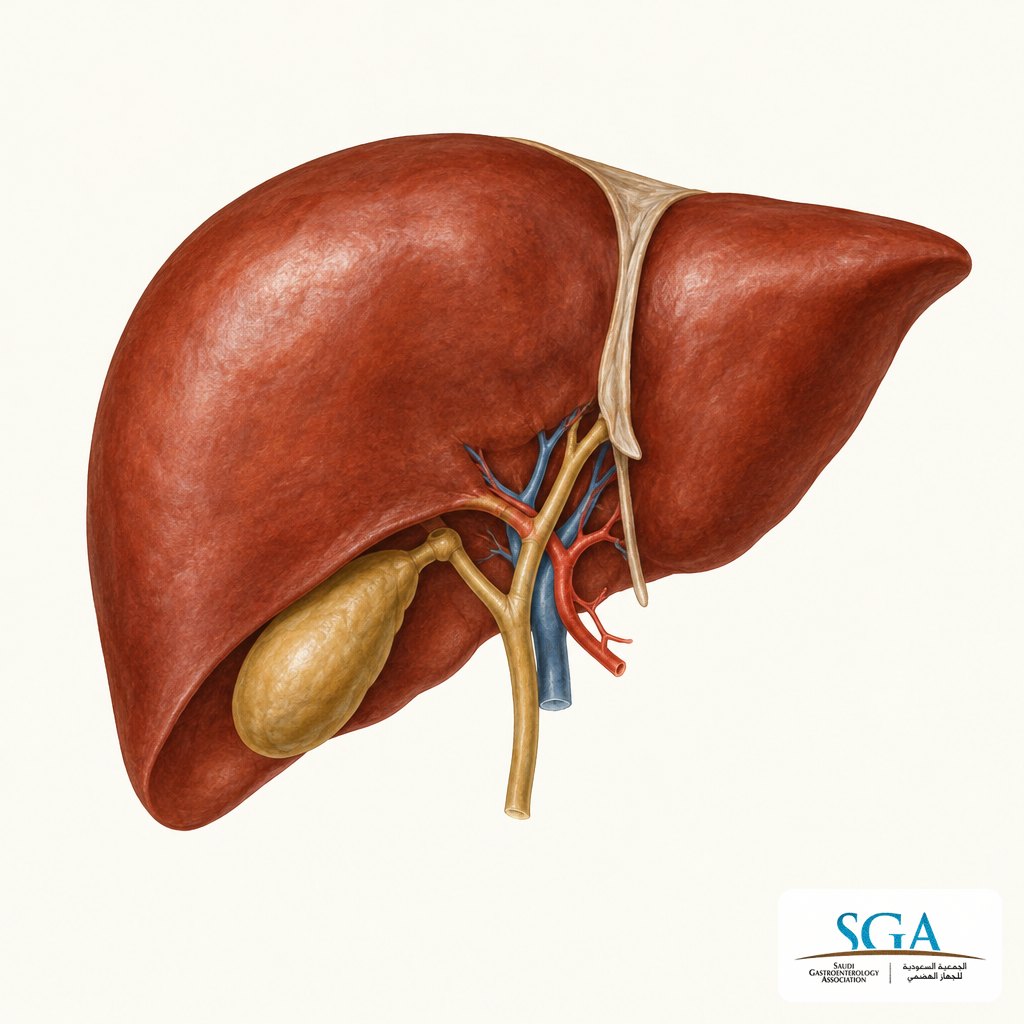
Alpha-1 antitrypsin (AAT) is a protein made in the liver that travels to the lungs to protect them from damage. In AAT deficiency, a faulty version of the protein is made. It gets trapped inside liver cells, which can injure the liver, and too little reaches the lungs, which can lead to emphysema (lung damage causing breathlessness). Some people have liver disease, some have lung disease, some both, and many have neither.
How common is it?
It is thought to be under-recognized, and is often missed or mistaken for asthma, COPD or other liver diseases. It is found in many populations around the world, though the pattern differs from place to place. Babies and children can be affected too.
Why does it happen?
It is inherited. A child gets one copy of the gene (SERPINA1) from each parent. The most serious liver and lung problems usually come with two faulty copies, most often the type called PiZZ. People with one faulty copy are usually healthy carriers but may have a mild increase in risk, especially together with other liver risks such as alcohol, obesity or viral hepatitis. Smoking greatly increases lung damage.
Symptoms
- In babies: prolonged jaundice, pale stools, dark urine, poor feeding or poor weight gain
- Adults: often no liver symptoms until cirrhosis develops
- Tiredness, abdominal swelling, jaundice or itching in advanced liver disease
- Shortness of breath, wheeze or a persistent cough from lung involvement
- Frequent chest infections
- Rarely, a skin condition with painful lumps (panniculitis)
Red flags — seek urgent medical care
A baby with jaundice lasting beyond two weeks, pale stools or dark urine
A baby needing urgent care should be seen immediately by a doctor. Do not wait.
Vomiting blood or black stools
Possible bleeding from cirrhosis. Go to the emergency department now.
Confusion, drowsiness or marked jaundice
May indicate liver failure. Seek emergency care.
Severe breathlessness, blue lips, chest pain or fever with cough
Could be a serious lung problem. Call emergency services or go to the emergency department.
How is it diagnosed?
A blood test measures the level of AAT, and a test for the protein type or a genetic test identifies the exact variant (phenotype or genotype). Liver tests, ultrasound, FibroScan and sometimes biopsy assess liver scarring; lung function tests and imaging assess the lungs. Family members may be offered screening.
Outlook — what to expect
The outlook differs greatly between individuals. Many people with this condition never develop serious liver disease. Those who do need long-term care, and liver transplant is an option for end-stage disease. Avoiding smoking and alcohol makes a major difference.
Treatment
Habits & Lifestyle
Protecting your lungs and liver is the most useful step you can take.
- Never smoke and avoid second-hand smoke, shisha and dust or chemical fumes
- Avoid or limit alcohol; ask your doctor what is safe
- Keep a healthy weight and stay active
- Get vaccinated: hepatitis A and B, flu and pneumococcal, as advised
- Consider family screening and genetic counselling
Diet
There is no special diet for this condition, but general liver-friendly eating helps.
- Eat a balanced diet with fruit, vegetables, whole grains and lean protein
- Limit sugary drinks and fatty foods to protect against fatty liver
- Reduce salt if you have fluid build-up in cirrhosis
- In babies and children, nutrition advice from a specialist team is important
Medications
There is currently no medicine that removes the liver problem, and treatment focuses on complications. Your doctor decides what is suitable.
- Medicines for complications of cirrhosis such as fluid build-up or swollen veins
- Inhalers and lung medicines for lung disease, as prescribed
- For selected people with lung disease, a replacement therapy of the missing protein (augmentation) may be considered by lung specialists; it does not treat the liver
- Check with your doctor before using painkillers or herbal products
Procedures & Surgery
Procedures depend on the organ involved.
- Regular ultrasound surveillance for liver cancer if cirrhosis is present
- Endoscopy to check and treat swollen veins
- Liver transplant for end-stage liver disease; lung transplant assessment in severe lung disease
Questions to ask your doctor
Save this list or print it before your appointment — doctors appreciate prepared patients.
- Which type do I have, and what does it mean for my liver and lungs?
- How often do I need liver and lung checks?
- Should my children and relatives be tested?
- Which vaccines do I need?
- Is alcohol safe for me in any amount?
Was this guide helpful?
Status: Approved for publication by SGA; individual clinician review is ongoing · Published 24/04/2026
For general education only; it does not replace your doctor’s advice. Individual clinician review of this guide is ongoing. SGA clinician? Review this guide