
Acute Pancreatitis
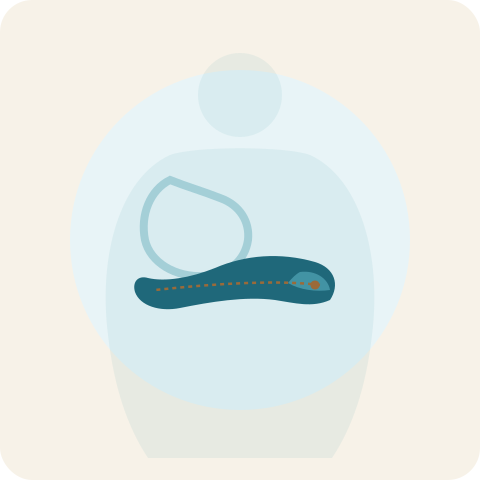
Sudden inflammation of the pancreas — usually from gallstones or alcohol. Most cases need hospitalization but recover fully within a week. Severe cases require intensive care.
Category
Serious
Red flags
3
This article is educational and does not replace your doctor's advice. Seek urgent care for any red-flag symptoms.
What is it?
The pancreas is an organ behind the stomach that makes digestive enzymes and insulin. In acute pancreatitis, these enzymes activate inside the pancreas itself — essentially digesting the organ — causing severe inflammation, pain, and sometimes systemic complications.
How common is it?
About 1 in 200 adults per year. Two main causes account for 80%: gallstones (~50%, more common in women) and alcohol (~25%, more common in men). In Saudi Arabia, gallstones are the dominant cause.
Why does it happen?
Causes (mnemonic GET SMASHED): Gallstones, Ethanol (alcohol), Trauma, Steroids, Mumps, Autoimmune, Scorpion stings (rare!), Hypertriglyceridemia/Hypercalcemia, ERCP, Drugs. In Saudi Arabia: gallstones >> hypertriglyceridemia >> drugs >> alcohol.
Symptoms
- Severe steady upper abdominal pain — often radiates to the back
- Pain often relieved by sitting forward, worsened by lying flat
- Nausea and vomiting
- Fever
- Loss of appetite
- Severe cases: low blood pressure, shock, breathing difficulty
Red flags — seek urgent medical care
Severe abdominal pain unresponsive to over-the-counter pain relievers
Go to the ED — pancreatitis needs hospital management.
Vomiting that won't stop
Need IV fluids and assessment.
Confusion, fast heart rate, or breathing difficulty
Severe pancreatitis or sepsis — emergency.
How is it diagnosed?
Diagnosis requires 2 of 3: typical pain, lipase >3× upper limit, or imaging findings (CT, ultrasound). Ultrasound looks for gallstones (the most common cause). CT is reserved for severe cases or to look for complications. Triglycerides and calcium are checked to find non-gallstone causes.
Outlook — what to expect
80% of cases are mild and recover within a week. 20% are severe with complications: necrosis, infection, organ failure, fluid collections. Severe pancreatitis has 10-30% mortality. Pancreatic damage can be permanent and lead to chronic pancreatitis or diabetes.
Treatment
Habits & Lifestyle
Address the cause to prevent recurrence.
- If gallstone-related: get cholecystectomy before discharge or shortly after — prevents recurrence.
- If alcohol-related: stop completely; seek addiction support.
- If high triglycerides: low-fat diet, exercise, lipid-lowering medication.
- Stop smoking — accelerates pancreatic damage.
- Identify and stop any culprit drugs.
Diet
Most patients eat normally after recovery; severe cases may need adjustments.
- During admission: nothing by mouth initially, then advance as tolerated.
- After recovery: regular healthy diet for most.
- If high triglycerides: limit fat to <50 g/day, no alcohol.
Medications
Mainly supportive — there is no specific medication that treats pancreatitis itself.
- IV fluids (key — early aggressive resuscitation).
- Pain control: paracetamol, then opioids if needed.
- Anti-emetics for nausea.
- Antibiotics ONLY if infected necrosis or another infection — not routinely.
- Treat triglyceride causes with insulin/heparin or plasmapheresis in severe cases.
Procedures & Surgery
Procedures for the cause and complications.
- Cholecystectomy for gallstone pancreatitis — within same admission for mild, 4-6 weeks for severe.
- ERCP urgently if cholangitis or persistent biliary obstruction.
- Endoscopic or surgical drainage of pancreatic fluid collections that become symptomatic or infected.
Questions to ask your doctor
Save this list or print it before your appointment — doctors appreciate prepared patients.
- What caused my pancreatitis?
- When can I have my gallbladder removed?
- Will this happen again?
- Did I have any complications during my admission?
Medically reviewed by: SGA Patient Education Panel · Last reviewed 24/04/2026